
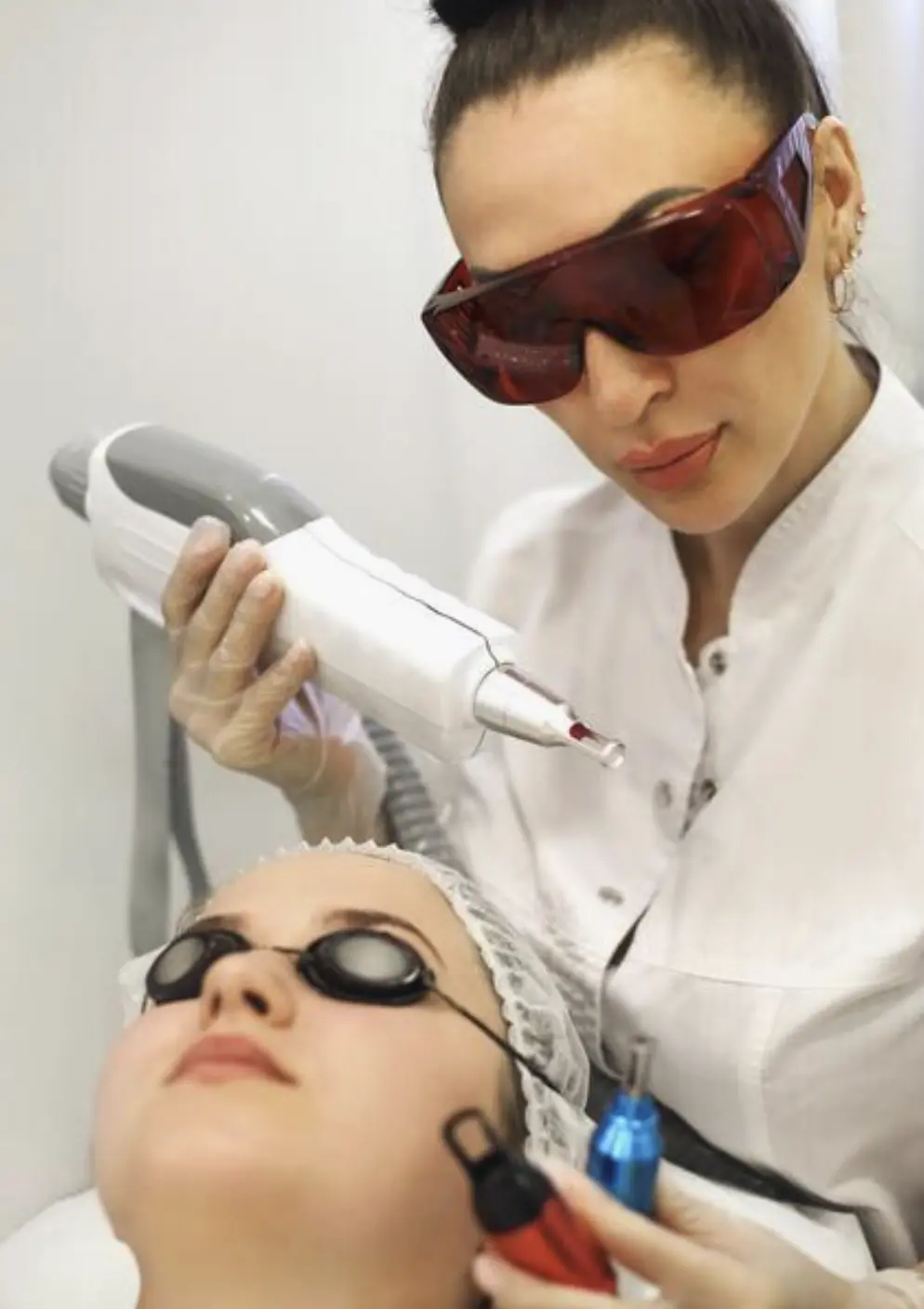

If you’ve ever stared at an old tattoo or cosmetic tattoo and wondered “Is Fading Better Than Full Removal?”, you’re not alone — and that question is exactly what we’re going to unpack today. The choice can depend on everything from the type of pigments used — including iron oxide, carbon black, organic pigments, or even older inks made from vegetable dyes or burnt wood ashes — to how those pigments now sit in your skin and lymph nodes.
Why Fading Is The Go-To Option For Many Clients
Fading is the most requested option in my studio because many clients simply need older cosmetic tattoo inks lightened — something practitioners often learn to recognise properly during cosmetic tattoo training, where pigment behaviour and correction strategies are covered in detail. It’s also a great option when you want to avoid repeated laser exposure on sensitive areas.
Pigments used in cosmetic tattoos are typically lighter than traditional body art inks, which can include heavy metals, metal salts, synthetic dyes, or carrier solutions like propylene glycol. Because cosmetic tattoo inks sit closer to the surface and contain fewer heavy metal compounds, fading sessions often work quickly and with minimal skin reactions.

How Fading Works (And Why Your Skin Loves It)
Laser fading targets surface-level pigment without aggressively fragmenting deeper inorganic pigments or dense carbon black molecules that can embed into lymph nodes over time. This gentler approach results in:
- Less disruption to immune responses
- Lower chance of allergic rashes or inflammatory skin reactions
- Safer outcomes for mature or sensitive skin
A Real Example From The Treatment Room
A client in her 50s came in with brows tattooed years ago using an older formula. The pigment — likely containing iron oxides and colour additives that had oxidised — had turned ashy. Since she didn’t have allergic reactions or pigment migration, fading was enough to prepare her skin for a fresh set of brows using modern PMU inks with higher tattoo ink safety standards.
The Situations Where Full Removal Is Genuinely The Better Choice
Sometimes ink composition or placement makes fading impossible. Deeply packed carbon black body art ink, for example, often responds differently to laser wavelengths compared to cosmetic inks. Older body tattoos may include industrial chemicals, lakes pigments, or black pigments containing metal impurities that sit deeper than the upper dermis.
In these cases, full removal is the safer option because fading wouldn’t lighten the deeper tattoo pigments trapped in the dermal layer or liver lymph nodes.
Full Removal Makes Sense When:
- The tattoo was done by tattoo artists using dense traditional tattoo inks
- Pigment contains heavy metals or synthetic dyes that resist light fading
- There’s pigment migration or eyeliner “shadowing”
- A client has had bacterial infections or allergic reactions to the ink
- Safety concerns arise regarding long-term exposure to metal contaminants
Full removal also aligns with recommendations from cosmetic doctors and Laser And Aesthetic Dermatology practitioners when there’s uncertainty about the ink composition — especially older inks created before stricter Australian Government regulatory requirements.
A Quick Comparison: Fading Vs Full Removal
| Feature | Fading | Full Removal |
|---|---|---|
| Sessions Needed (Average) | 1–4 | 6–12+ |
| Healing Time Per Session | 5–7 Days | 7–14 Days |
| Pain Level | Mild | Moderate |
| Best For | Cosmetic Tattoos With Iron Oxides Or Softer Pigments | Deep Tattoo Inks Containing Carbon Black Or Heavy Metal Compounds |
| Skin Impact | Minimal | Higher Cumulative Impact |
| Risk Factors | Low For Cosmetic Tattoo Inks | Higher For Traditional Inks With Metal Impurities |
| Suitable For Sensitive Skin | Yes | Case-By-Case |
| Suitable For Sensitive Skin | Yes | Case-By-Case |
As noted in tattoo industry reports, inks containing carbon black break into smaller particles during laser removal and may travel through lymphatic pathways, including lymph nodes. This is one reason cautious, staged removal is important.
How Your Skin Type Changes The Decision
Fitzpatrick types react differently to UV rays, laser energy, and pigment oxidation. Deep skin tones often retain more residual colour from iron oxides or inorganic pigments, which can affect whether fading or full removal is safest.
Fair To Medium Skin
Handles most ink types well, whether cosmetic tattoo inks or traditional formulations.
Olive To Deep Skin
More prone to:
- Hyperpigmentation
- Hypopigmentation
- Delayed healing
This is especially true when dark inks with metal oxides or colour additives are involved.

Mature Skin
Reduced collagen production can affect healing after aggressive laser removal, which is why fading often remains the safer approach.
The Lifestyle Factors That Matter More Than People Think
Sun exposure accelerates pigment oxidation, especially in inks containing iron oxides, zinc oxides, or UV-reactive organic pigments. People with high outdoor exposure may experience quicker colour shifts — sometimes resulting in skin reactions or changes in tone after laser removal.
Clients who gym regularly or work physically demanding jobs may also notice slower healing due to increased circulation and lymph node activity affecting pigment breakdown — a factor practitioners also consider when planning facial treatments at The Facial Hub Brisbane, where skin recovery and inflammation response play a key role in treatment timing.
And don’t forget aftercare — healing is heavily influenced by how well clients follow tattoo aftercare guidelines, including keeping the area clean, protecting it from UV rays, and avoiding irritation that can lead to bacterial infections.
Costs And Timelines: Let’s Talk Real Numbers
Prices depend partly on ink composition and treatment complexity — and they’re also influenced by factors such as practitioner experience, equipment quality, and the tattoo removal training cost technicians invest in developing safe treatment protocols. Average:
- Fading (Cosmetic Tattoos): $90–$200 Per Session
- Full Removal (Traditional Tattoos): $150–$350 Per Session
Cosmetic tattoos generally fade faster because PMU inks contain fewer heavy metals and smaller pigment molecules.
Traditional tattoo inks — especially those based on carbon black, metal salts, or synthetic dyes — take longer to break down and may require a full course of sessions.

Aftercare Differences: What The Healing Journey Really Looks Like
Both processes require good aftercare, but full removal usually demands stricter skin protection and longer recovery time.
After Fading
- Mild swelling
- Low risk of allergic reactions
- Minimal disruption to lymphatic function
After Full Removal
- Higher inflammation due to fragmentation of heavy metal compounds
- Greater chance of temporary skin reactions
- Must strictly avoid UV light to prevent pigment change
Laser dermatology clinics warn that the more complex the ink formula (e.g., black pigments mixed with azo dyes), the more cautious the aftercare protocol must be.
When Fading Won’t Be Enough — And You Shouldn’t Force It
Fading won’t help when deeper pigments — particularly carbon black or inorganic pigments — are lodged below the superficial dermis. It also underperforms when traditional inks contain ingredients not well-documented in the Australian Inventory Of Industrial Chemicals (AICIS), meaning their behaviour under laser may be less predictable.
When clients come to Face Figurati with migrated eyeliner pigment or brows tattooed outside the natural mapping zone, full removal is often the only way to ensure safe, natural-looking results for future cosmetic tattooing.
So — Is Fading Better Than Full Removal? Here’s The Direct Answer
For most cosmetic tattoo clients, yes — fading is better. Cosmetic formulas tend to use safer, high-quality inks with clear product labelling and fewer heavy metals, making fading highly effective.
But for clients with traditional body art containing carbon black, metal oxides, or older industrial chemicals, full removal becomes the practical choice.
Simple rule:
The cleaner and shallower the pigment, the easier the fade. The denser and deeper the ink, the more likely full removal will be needed.
FAQ
Can inks cause allergic reactions during fading or removal?
Yes — especially older inks with heavy metal compounds, synthetic dyes, or unregulated colour additives. Allergy testing is recommended if there’s a known history of sensitivity.
Do pigments really travel to lymph nodes?
Yes. Carbon black, metal impurities and small pigment particles can move through the lymphatic system, which is why pigment safety and proper regulation matter.
Which inks are safest for future cosmetic tattooing?
Cosmetic-grade iron oxides and modern PMU inks regulated under Australian government chemical standards (AICIS) offer the best safety profile.
Is laser removal safe for inks containing heavy metals?
Yes — when performed by a trained professional using appropriate wavelengths. However, heavy metal toxicity is a concern with extremely old inks, so assessment is essential.
Can UV rays affect faded or partially removed tattoos?
Absolutely. UV exposure can oxidise pigments, especially iron oxides and organic pigments, creating unwanted tone shifts.