
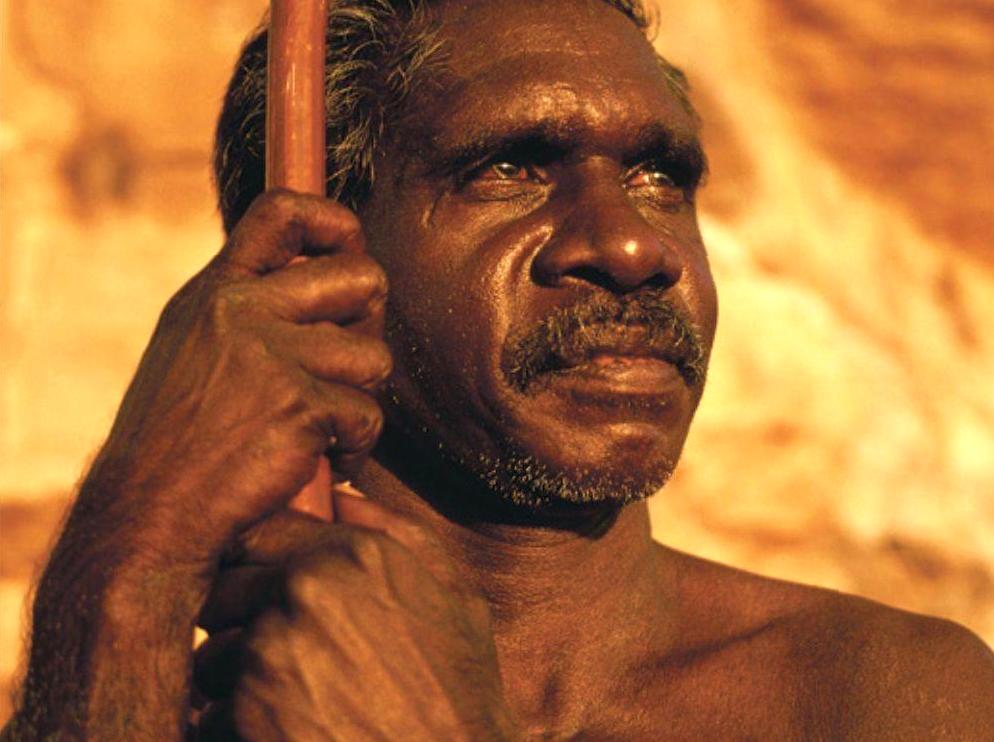

Injalak Hill is a significant landmark located within the breathtaking Kakadu National Park, known for its rich cultural heritage and stunning natural beauty. It is renowned primarily for the ancient earth ochres that have been used by Indigenous Australians for thousands of years. These ochres not only hold aesthetic value in artworks but also carry deep cultural and spiritual meanings. Visitors to Injalak Hill are given the unique opportunity to engage with this heritage and gain insights into the traditional practices of the Aboriginal peoples. The ochres found in the area are celebrated for their vibrant colors and diverse uses across various aspects of life, including art, ceremonies, and healing rituals. Through educational tours and experiences, visitors can appreciate the significance of these natural resources, making every trip to Injalak Hill a profound encounter with Australian Indigenous culture.
The Historical Significance of Ochres
What are Earth Ochres?
Earth ochres are natural pigments derived from iron-rich mineral deposits found in various parts of the world. At Injalak Hill, these ochres come in a range of colors, primarily red, yellow, and white, each possessing unique properties that have been harnessed for various uses. Aboriginal people have utilized these pigments for thousands of years in art, decoration, and other traditional practices. The colors of ochres are not only visually stunning but are also reflective of the natural environment from which they are sourced. The different types of ochres often symbolize distinct cultural meanings and stories, making them vital to the identity of the Aboriginal communities. Thus, learning about these earth ochres offers a profound insight into the connection between the land, its resources, and the heritage of its traditional custodians.
The Role of Ochres in Aboriginal Culture
In Aboriginal culture, ochres are more than just material; they are integral to storytelling, rituals, and identity. Additionally, companies have been created to ensure the sustainability of ochre sourcing and its traditional applications. The uses of ochres include body painting for ceremonies, creating art on rock surfaces, and crafting ceremonial objects. These practices foster a deep connection to the land and serve as ways to communicate stories and teachings. Moreover, the spiritual significance of ochres often transcends their physical applications, embodying the relationships between the Indigenous peoples and their environment. This connection emphasizes the importance of preserving ochre traditions as an essential aspect of cultural heritage.
Injalak Hill: A Prominent Cultural Site
Location and Accessibility
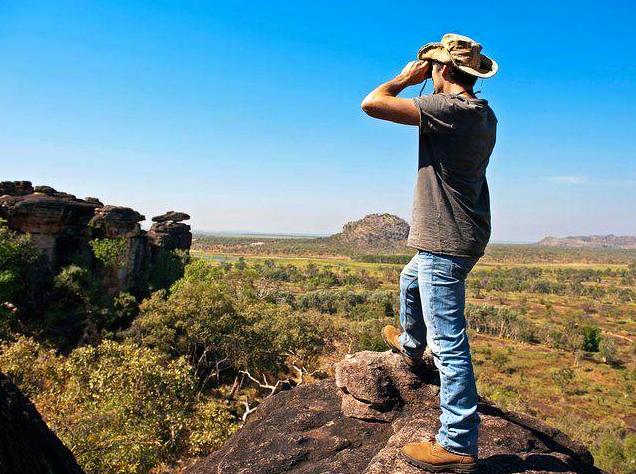
Injalak Hill is located in the northern part of Kakadu National Park, Australia, known for its diverse landscapes and rich wildlife. It is accessible via a short drive from the nearby town of Jabiru. Visitors interested in exploring this cultural gem typically engage in organized tours that are led by Aboriginal guides, ensuring an immersive and educational experience. These guided trips not only highlight the striking beauty of Injalak Hill but also provide insight into its cultural significance. With accessible pathways and viewing spots, the hill caters to adventurers and cultural enthusiasts alike. Planning a visit to this ancient site involves considering the best time to go, usually during the dry season, to fully appreciate its grandeur.
Exploring the Rock Art
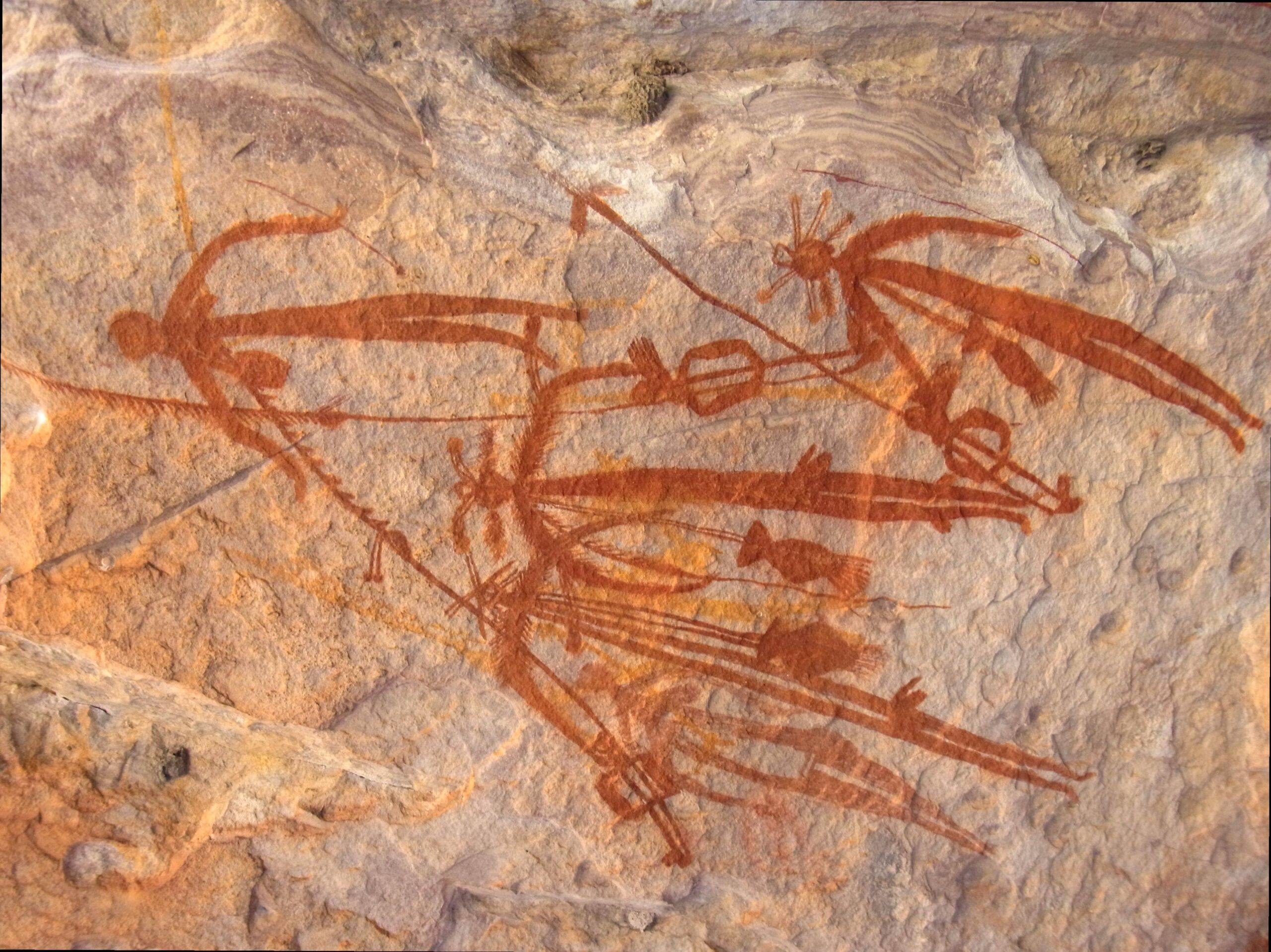
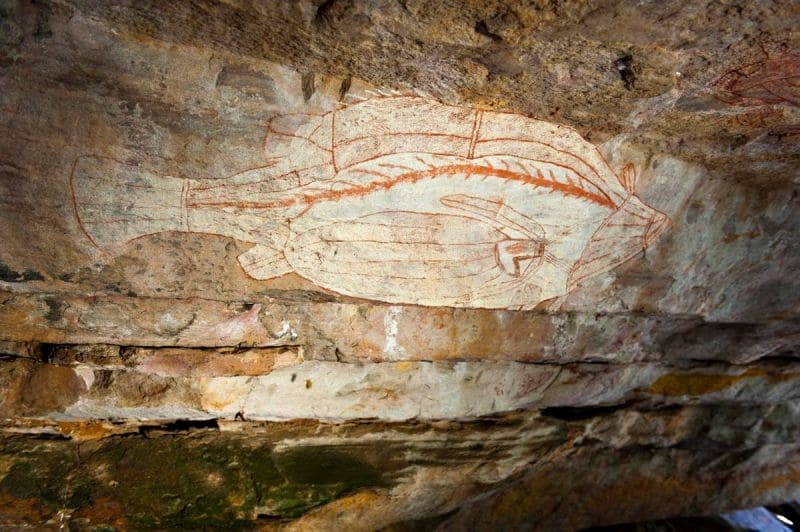
The rock art at Injalak Hill is a canvas that tells the stories of the Aboriginal peoples.
This stunning artwork, which includes intricate depictions of animals, human figures, and symbolic patterns, is often painted using the very ochres sourced from the area. These paintings not only showcase the artistic talents of their creators but also serve as historical records that preserve ancient stories and traditions. Understanding this rock art is crucial for appreciating the intricate connection between the ochres and the cultural narratives they represent. Visitors can expect to learn about the themes and meanings embedded within these artworks during their exploration of Injalak Hill. This rock art is more than a visual feast—it is a tangible link to the living culture of Australia’s Indigenous peoples.
Engaging with Traditional Custodians
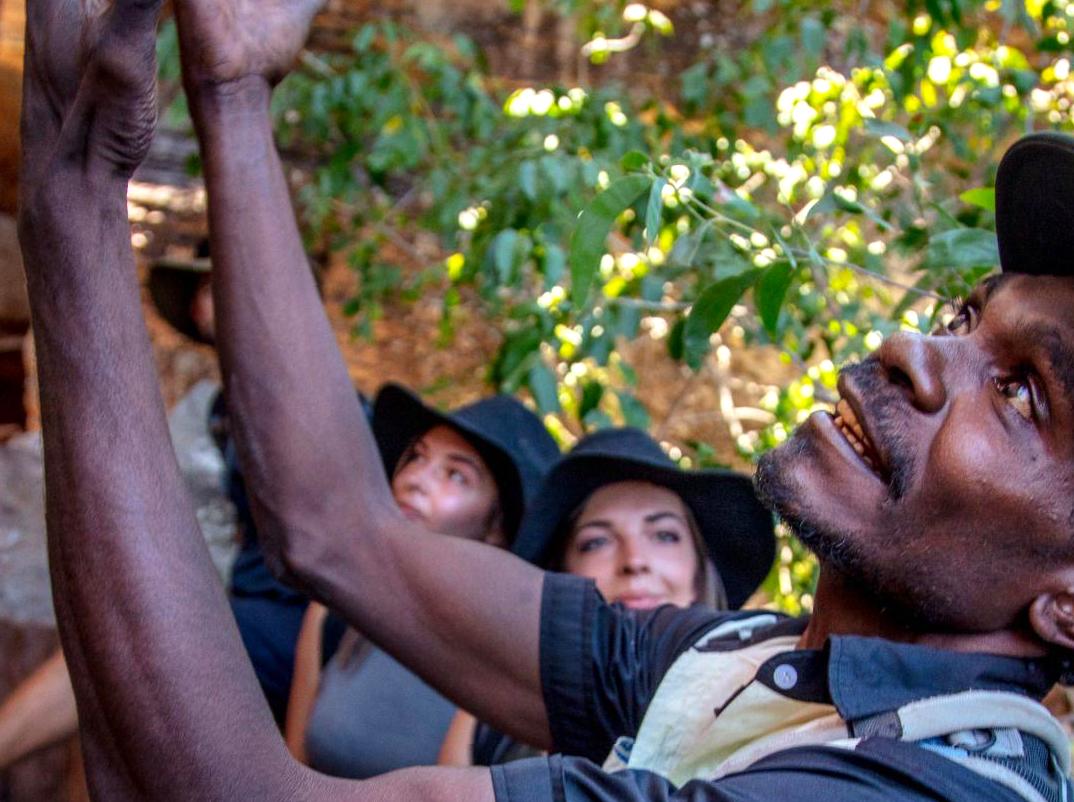
Guided Tours and Cultural Experiences
Participating in guided tours led by local Aboriginal custodians provides an unparalleled opportunity for visitors to immerse themselves in the rich culture of Injalak Hill. These tours often include demonstrations of how ochres are collected, processed, and used in traditional practices. Participants may even have the chance to create their own artwork using ochres, enriching their understanding of this time-honored craft. Engaging directly with custodians allows visitors to hear firsthand accounts of cultural heritage and the pivotal role of ochres in Aboriginal life. The stories shared during these experiences deepen appreciation and respect for the traditions and knowledge passed down through generations. Ultimately, these guided experiences encourage visitors to be responsible stewards of the cultural heritage they encounter.
The Importance of Cultural Preservation
Cultural preservation is vital in ensuring that traditional practices and knowledge related to ochres continue to thrive in modern contexts. Efforts are in place to educate visitors on the significance of their role in supporting Indigenous culture. Many programs exist that promote awareness and advocacy for the protection of Aboriginal heritage and land rights. Visitors can contribute to these initiatives by respecting local customs and engaging in sustainable tourism practices. By fostering a greater understanding of Indigenous cultural heritage, individuals can become allies in the preservation efforts taking place across Australia. Supporting local artisans and participating in educational experiences further enhances the impact of this preservation mission.
| Type of Ochre | Color | Common Uses |
|---|---|---|
| Red Ochre | Red | Body paint, artwork |
| Yellow Ochre | Yellow | Decorative painting, ceremonial items |
| White Ochre | White | Ceremonial body paint, artwork |
Injalak Hill stands as a vibrant testament to the cultural heritage of the Aboriginal peoples, particularly through the lens of earth ochres. As visitors engage with this ancient site, they not only learn about the practical uses of ochres but also partake in the intricate tapestry of stories and traditions woven through generations. Understanding and appreciating the significance of these natural resources fosters a deeper respect for the rich heritage that continues to thrive in Kakadu.
Frequently Asked Questions (FAQs)
- 1. What types of ochres can be found at Injalak Hill?
- Injalak Hill features a variety of earth ochres, including red, yellow, and white types, each with unique properties and traditional uses.
- 2. Can I visit Injalak Hill without a guide?
- While it is possible to visit without a guide, participating in a guided tour is highly recommended to gain insights and cultural understanding from the traditional custodians.
- 3. How old is the rock art at Injalak Hill?
- Thousands of years ago, the rock art at Injalak Hill was created by Aboriginal people to express their artistic talents and tell stories.
- 4. What do I need to bring when visiting Injalak Hill?
- Visitors should come with water, hat, sunscreen and good shoes. It is also useful to have a camera for taking pictures of the beautiful landscapes and rock art.
- 5. Are there any programs that support Indigenous cultural preservation?
- Yes, there are different programs and initiatives that support indigenous culture, community education and traditional practices including ochre use. The contributions made by visitors help in sustaining these efforts.