
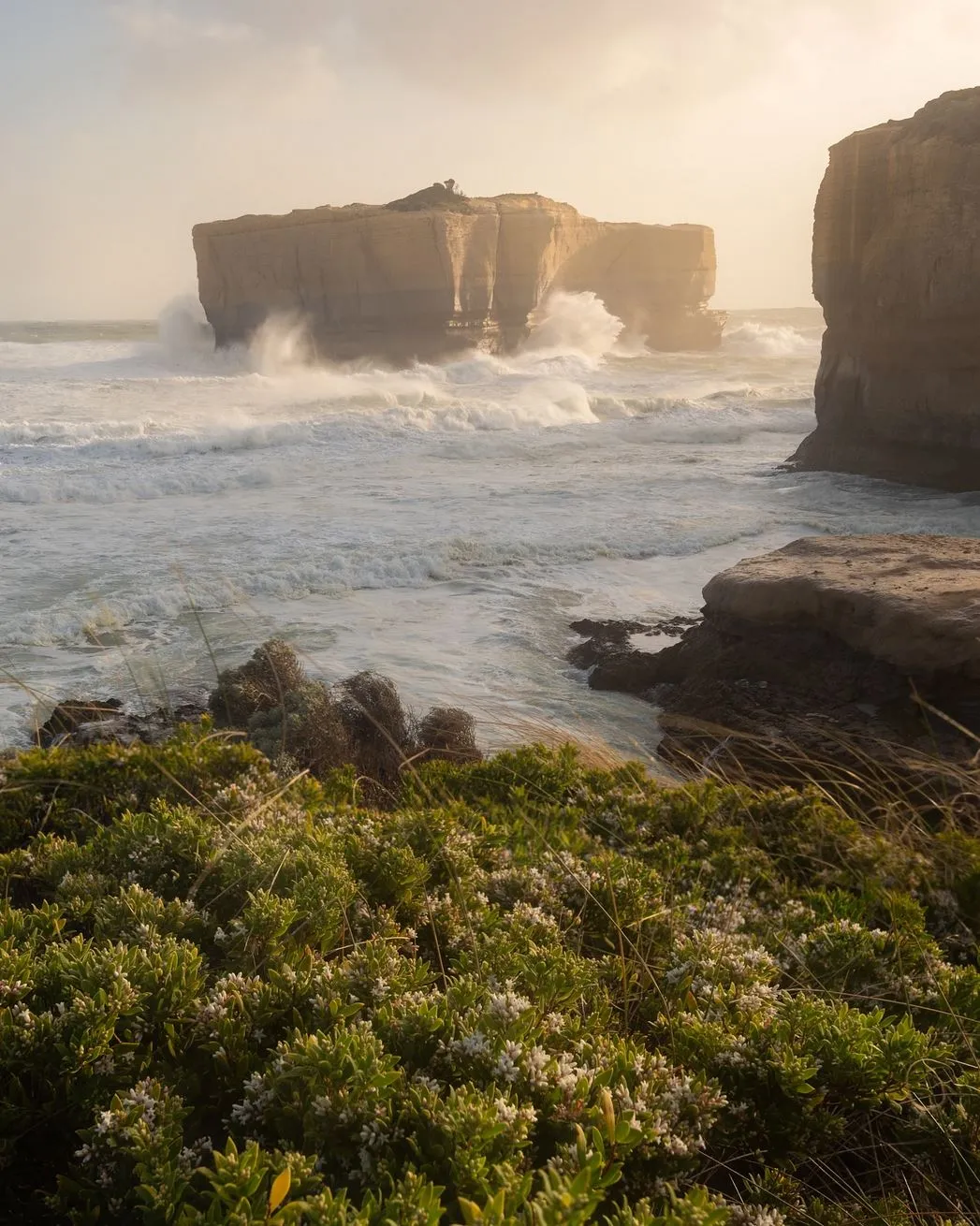

The Great Ocean Road is one of Australia’s most famous scenic drives, with stunning coastal views, historic landmarks and unique wildlife. Whether you’re a nature nut, history buff or road trip enthusiast, this route has it all. In this guide we’ll delve into the history of the Great Ocean Road, highlight the must-see natural attractions and give you the ultimate travel tips to make the most of your trip.
History of the Ocean Road
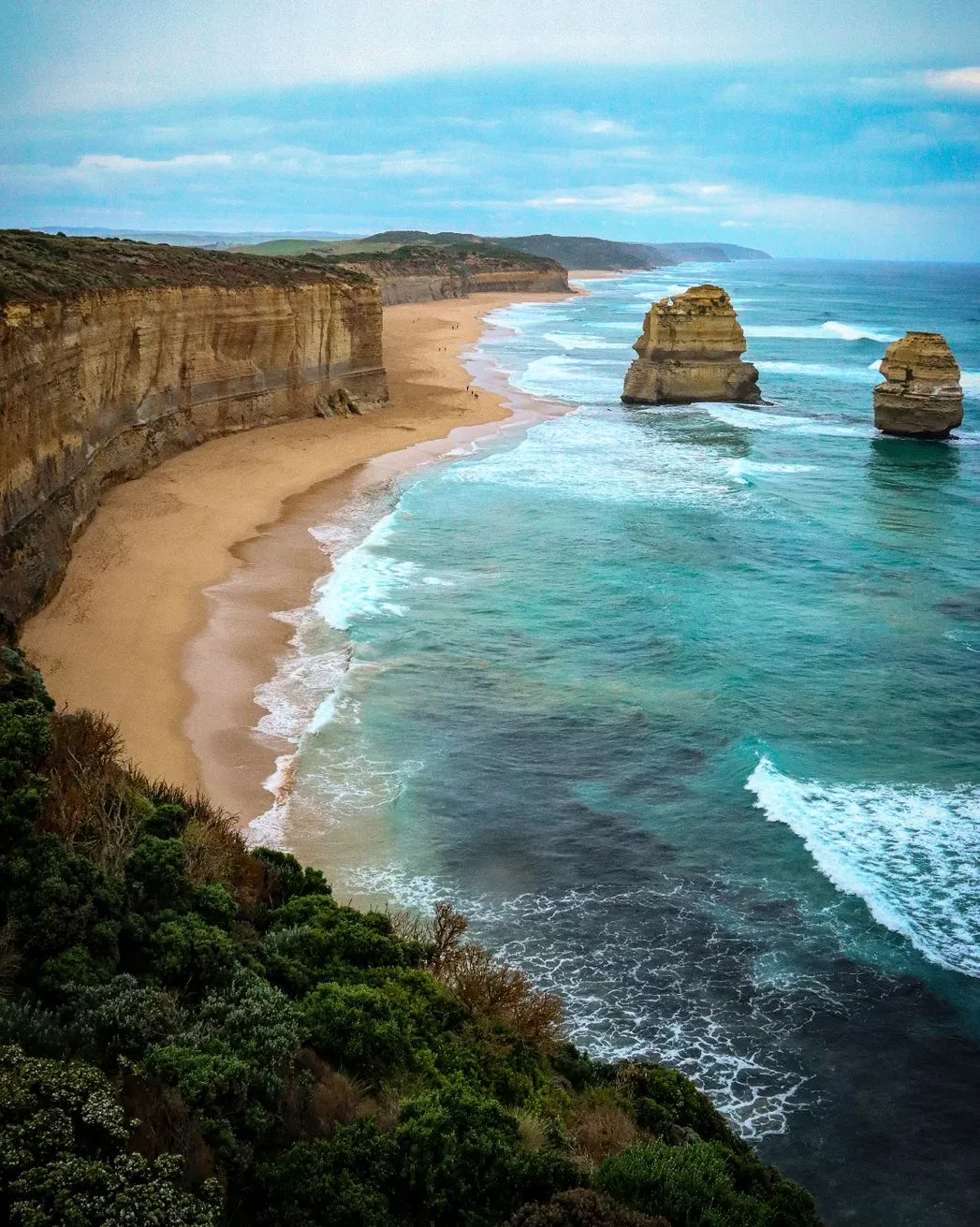
The Great Ocean Road runs for 240km along the southern coast of Australia, from Torquay to Allansford. It was built between 1919 and 1932 as a memorial to soldiers who served in World War I, making it the world’s largest war memorial. The road was built by returned soldiers and was designed to connect isolated settlements and showcase Victoria’s beachscapes. Today it’s a historic landmark and cultural icon, attracting millions of visitors every year. The road also played a big part in the timber industry and is still an important transport link for local communities.
This route is a tourist hotspot, especially in peak season, for people looking for an authentic experience along Australia’s coastline. The reality of this road’s construction was a testament to ingenuity, turning a remote region into one of the world’s most popular attractions.
Must-See Landmarks
1. The Twelve Apostles
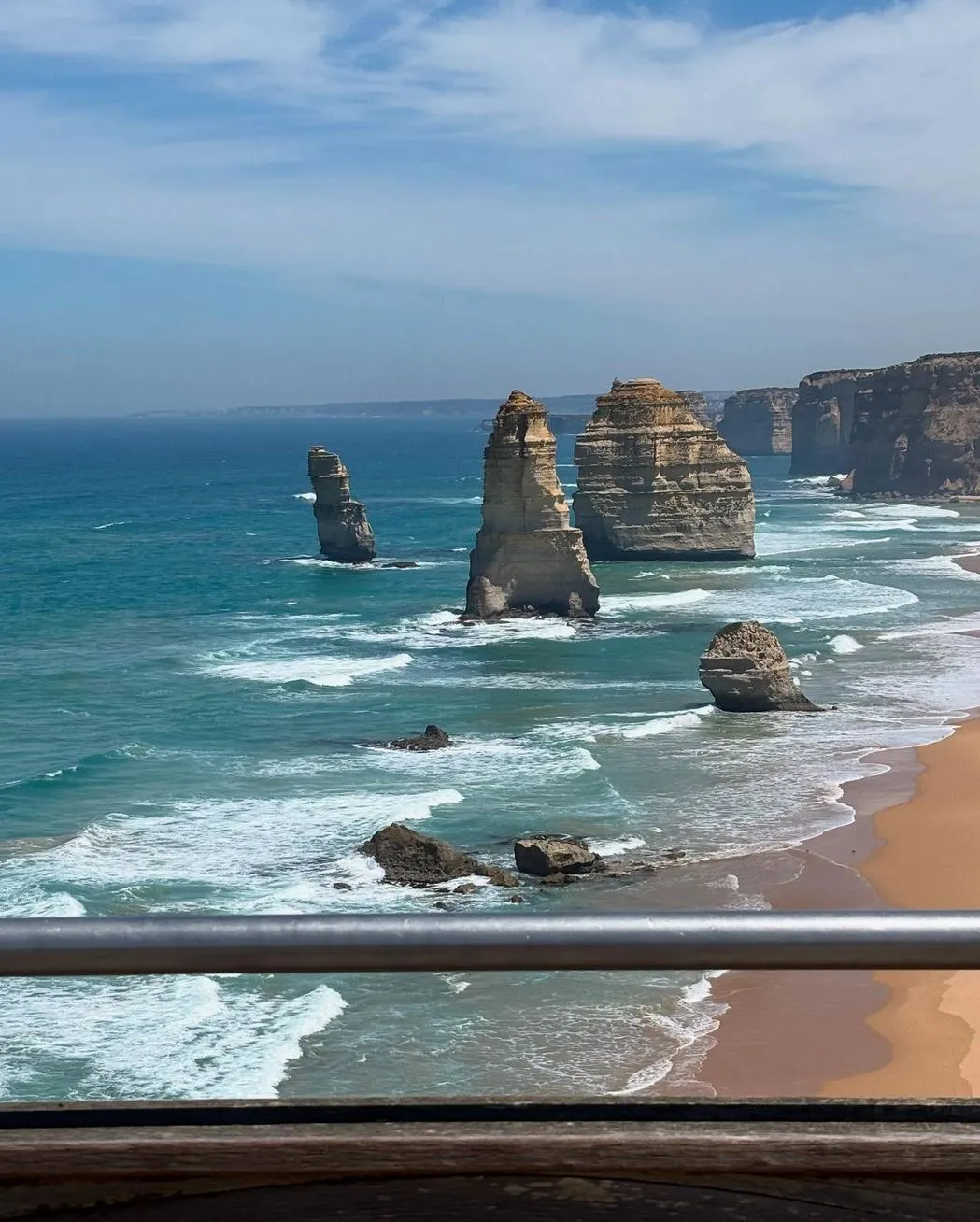
One of Australia’s most famous natural attractions, these limestone stacks rise out of the Southern Ocean. Over time the numbers have reduced but it’s still awe-inspiring, especially at sunrise or sunset.
2. Loch Ard Gorge
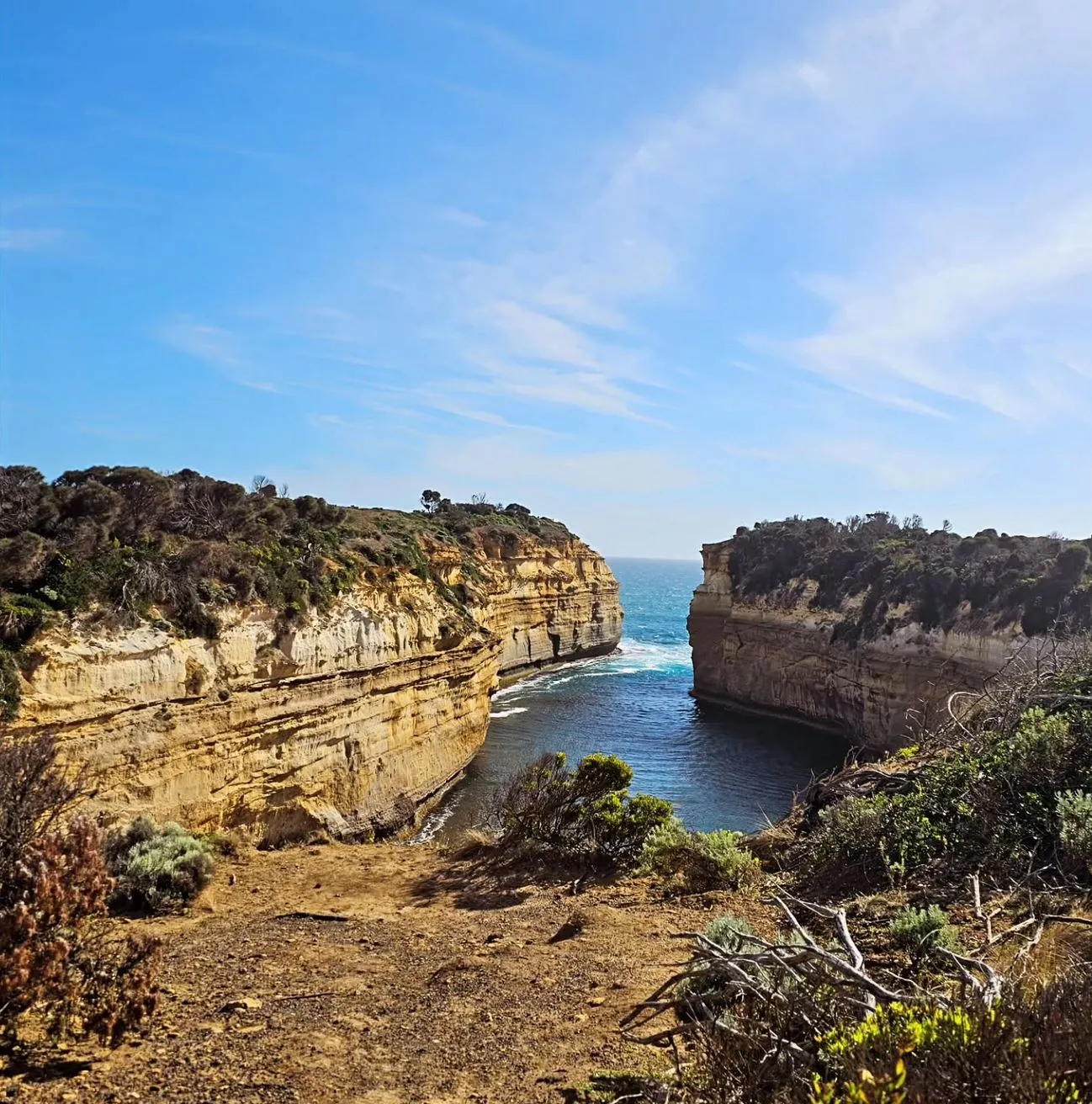
Named after the shipwrecked vessel Loch Ard, this beautiful spot is steeped in history and has cliffs, caves and a beach. A great place to learn about Australia’s maritime past while taking a scenic walk.
3. London Arch (formerly London Bridge)
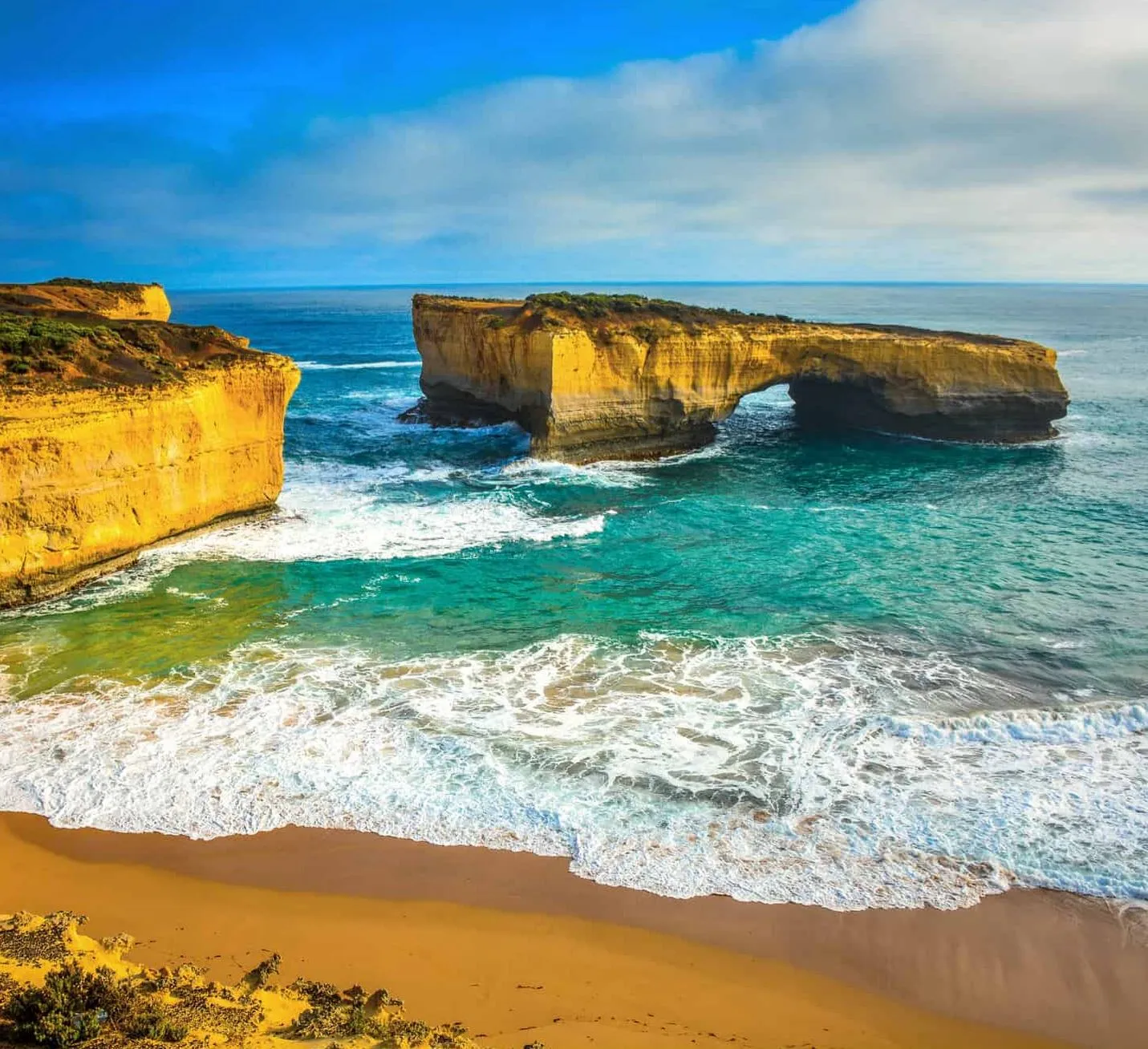
This natural rock formation was once a double-arched bridge before part of it collapsed in 1990. It’s still a big tourist attraction and a reminder of the ever-changing coastline shaped by nature.
4. The Grotto
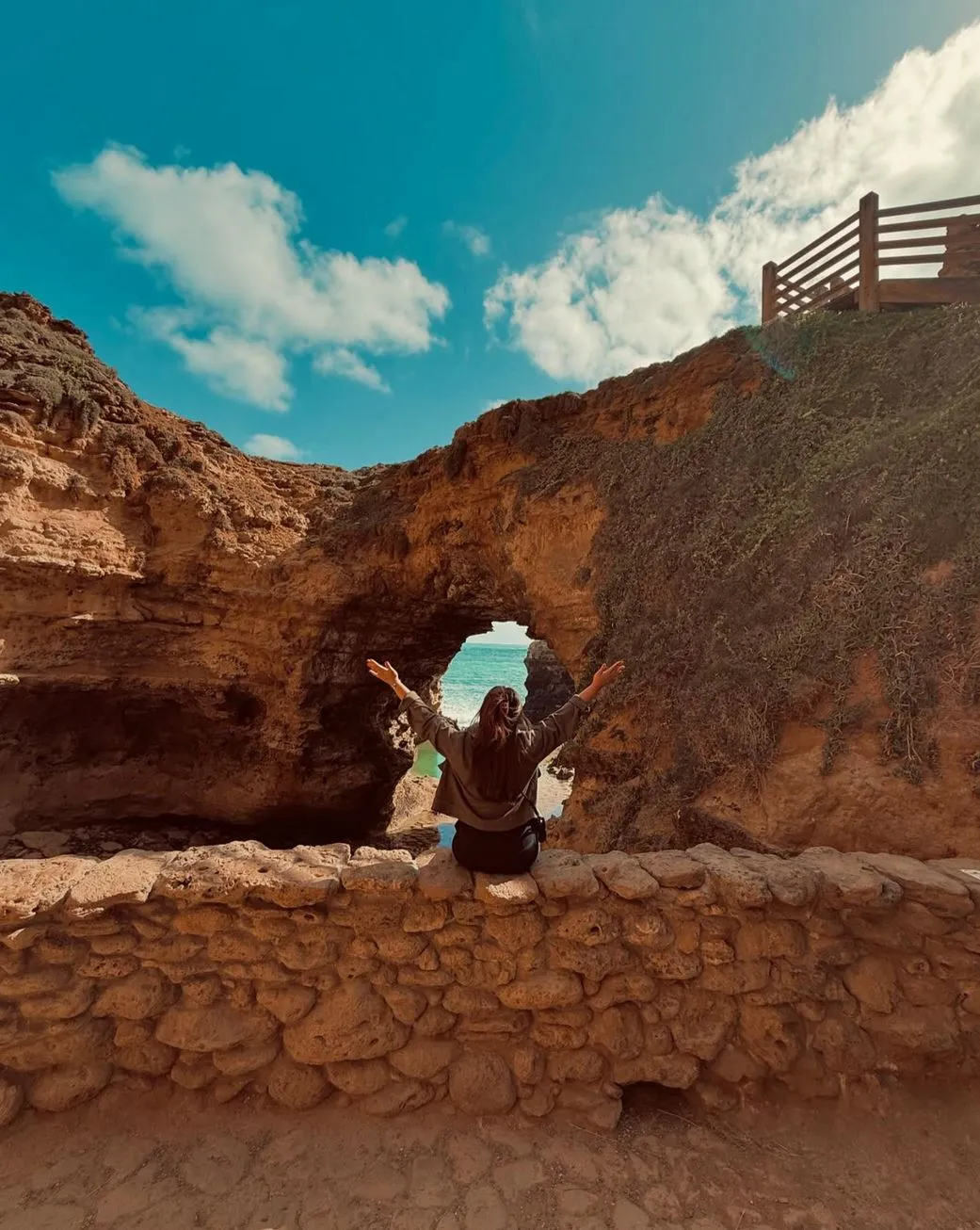
With a rock pool and archway, The Grotto is a unique perspective of the rugged coastline. It’s a favourite stop for photographers and those looking for an authentic experience.
5. Great Otway National Park

Lush rainforests, waterfalls and wildlife. A nature lover’s paradise. You can walk in the treetops, spot koalas in the wild and hike the trails. Many visitors do a Great Ocean Road tour and include this park in their itinerary to see it all.
6. Bells Beach
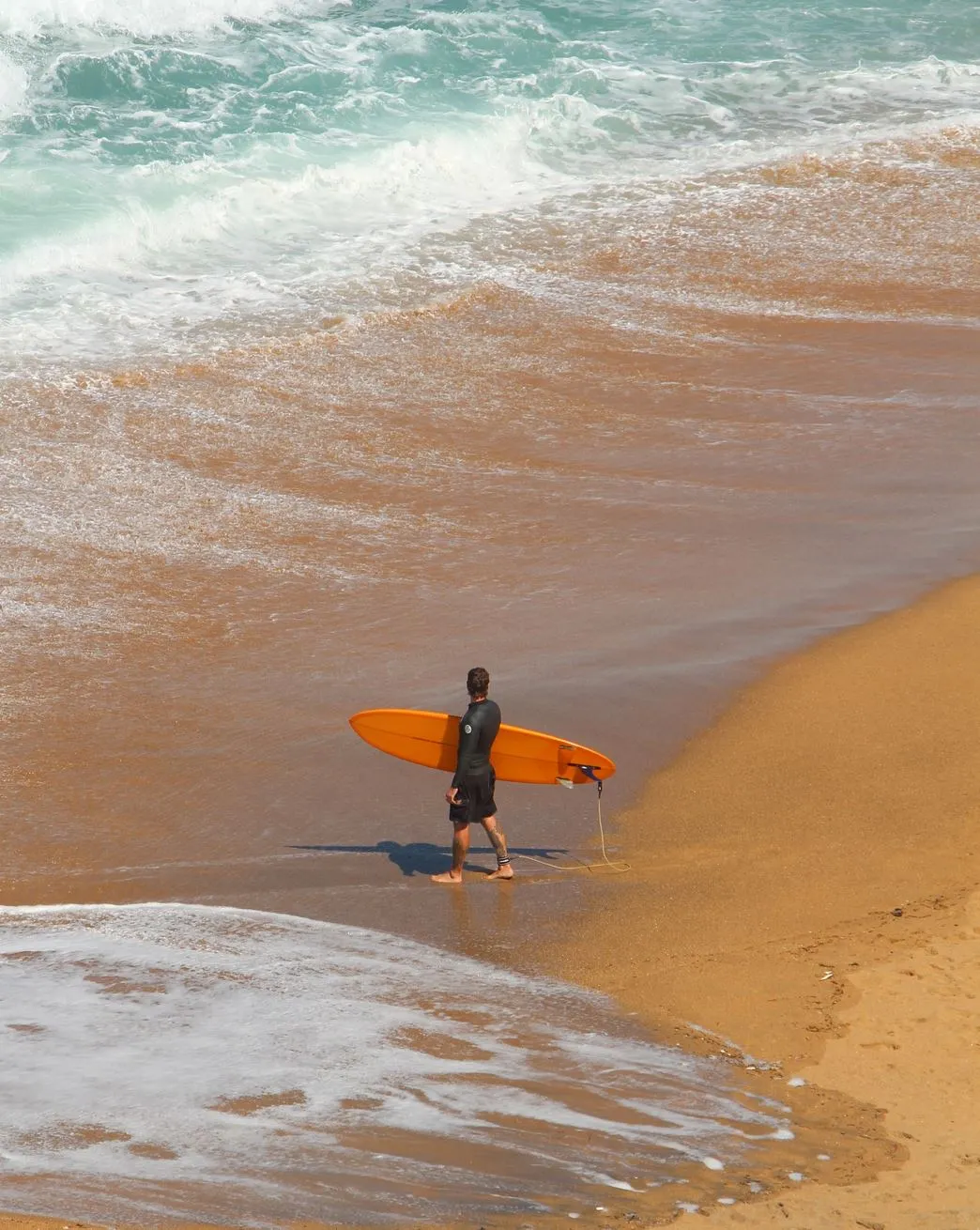
Famous for its big surf breaks, Bells Beach is a must-see for surfers. It hosts the Rip Curl Pro Surfing Competition and has stunning coastal views. The surrounding area has some of the most beautiful beaches in Victoria.
Drive Tips
- Best Time to Visit: Summer (December to February) for warm weather and clear skies. Spring (September to November) for mild temps and fewer crowds.
- Drive Tips: Take your time, it’s a winding road and can be a long drive, especially for a solo driver navigating the corners. Aussies drive on the left side of the road.
- Accommodation: From luxury resorts to budget stays and coastal cottages, there are many options along the way. Book in advance during peak season to snag the best spots.
- Packing: Camera, sunscreen, comfy shoes and layers. The weather can change quickly on the coast. Always travel with insurance.
- Wildlife: Keep an eye out for roos, koalas and echidnas especially at dawn and dusk.
- Public Transport & Accessibility: Self driving is the most common way to get around, but limited public transport options. Some attractions have accessibility for people with disabilities and visual impairments.
- Tickets in Advance: Some popular spots may require tickets in advance during peak times.
- Tap Water: Tap water is safe to drink in most areas along the Great Ocean Road but always check locally.
- Permanent Exhibitions: Some visitor centres have permanent exhibitions on the history and ecology of the area.
- Affiliate Links: Many travel blogs have affiliate links to make booking tours and accommodations easier.
The Great Ocean Road is a popular tourist spot with a mix of history, nature and adventure. Whether you drive it yourself or join a Great Ocean Road tours, this will be a trip of a lifetime. Happy travels!
FAQ
How long does it take to drive the Great Ocean Road?
4-5 hours non-stop, but we recommend 2-3 days to see the attractions and scenery. Many tourists book a Great Ocean Road Trip to make the most of their time.
Is the Great Ocean Road campervan friendly?
Yes, the road is campervan friendly with many campgrounds and caravan parks along the way. Just be aware of narrow and windy sections and always do an advance survey team check when driving large vehicles.
Can you swim at the beaches along the Great Ocean Road?
Yes but always check the signs and swim at patrolled beaches as the ocean can be rough.
Are there guided tours available?
Yes, many tour operators offer day trips and multi day tours from Melbourne covering the key attractions along the Great Ocean Road. Private guiding options are also available. Booking a Great Ocean Road tour allows you to see the scenery without the worry of navigating.
Is the Great Ocean Road open all year round?
Yes but the weather can vary. Summer is the peak season, and winter (June to August) has a dramatic coastline and fewer crowds.