
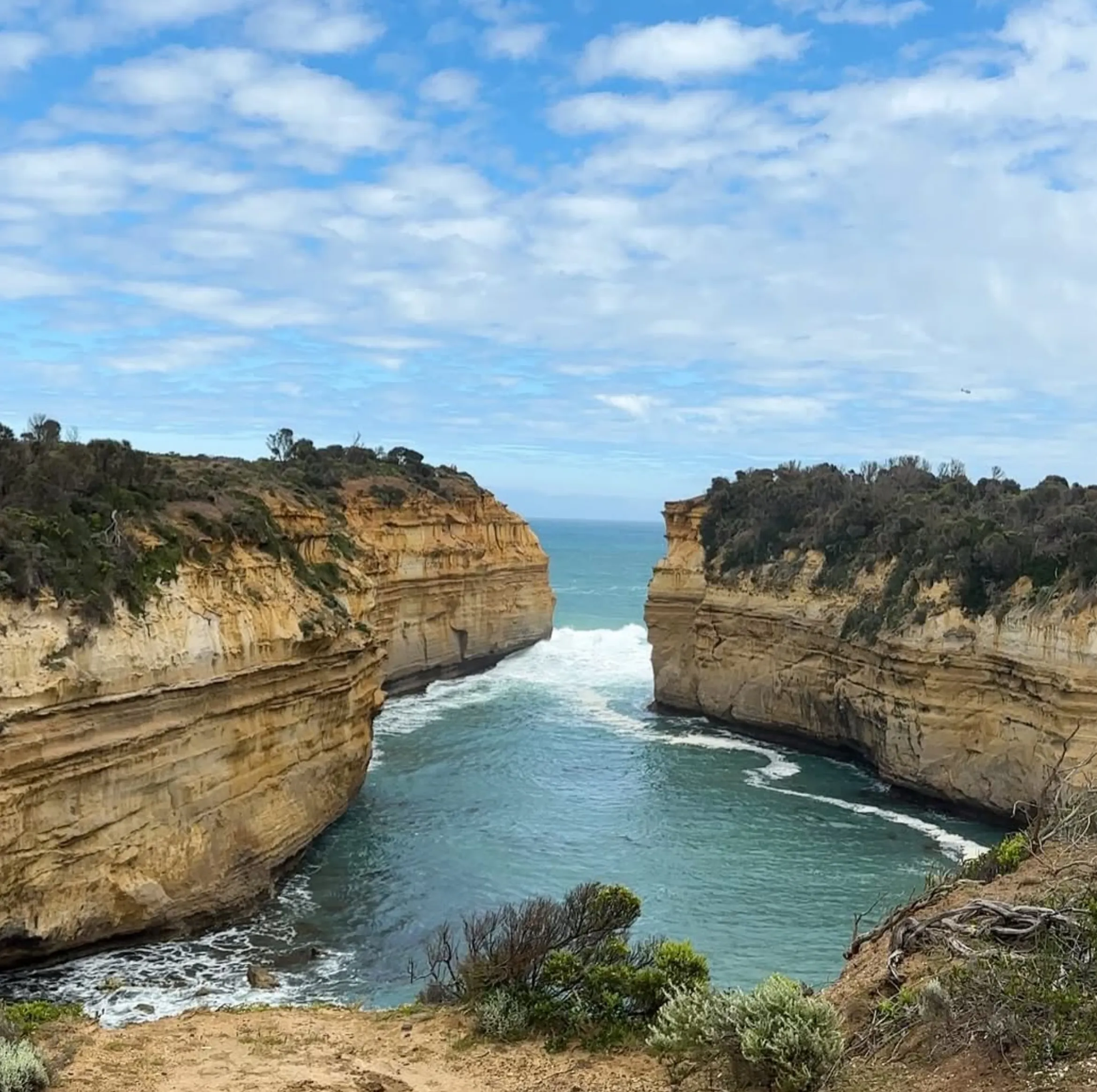

What’s the difference between summer and shoulder season? – It’s one of those travel questions that sounds simple enough until you’ve actually endured a January Australian summer and found yourself wondering why everything just feels way more effort than it needs to be. In short, shoulder season – that sweet spot between peak and low season – tweaks how places feel, what things cost, and just how relaxed your days can be – often for the better.
I’m Paul Beames – and after decades of working in the travel industry, guiding trips and putting together itineraries all over Australia and elsewhere – I’ve learned this the hard way. Summer might look all sunshiney on paper, but in reality, the smart money‘s on shoulder season.
If you want fewer crowds, better weather and some travel that actually feels – well, pretty normal – then you’re starting to get the idea.
Peak vs Off-Peak Travel Made Clear
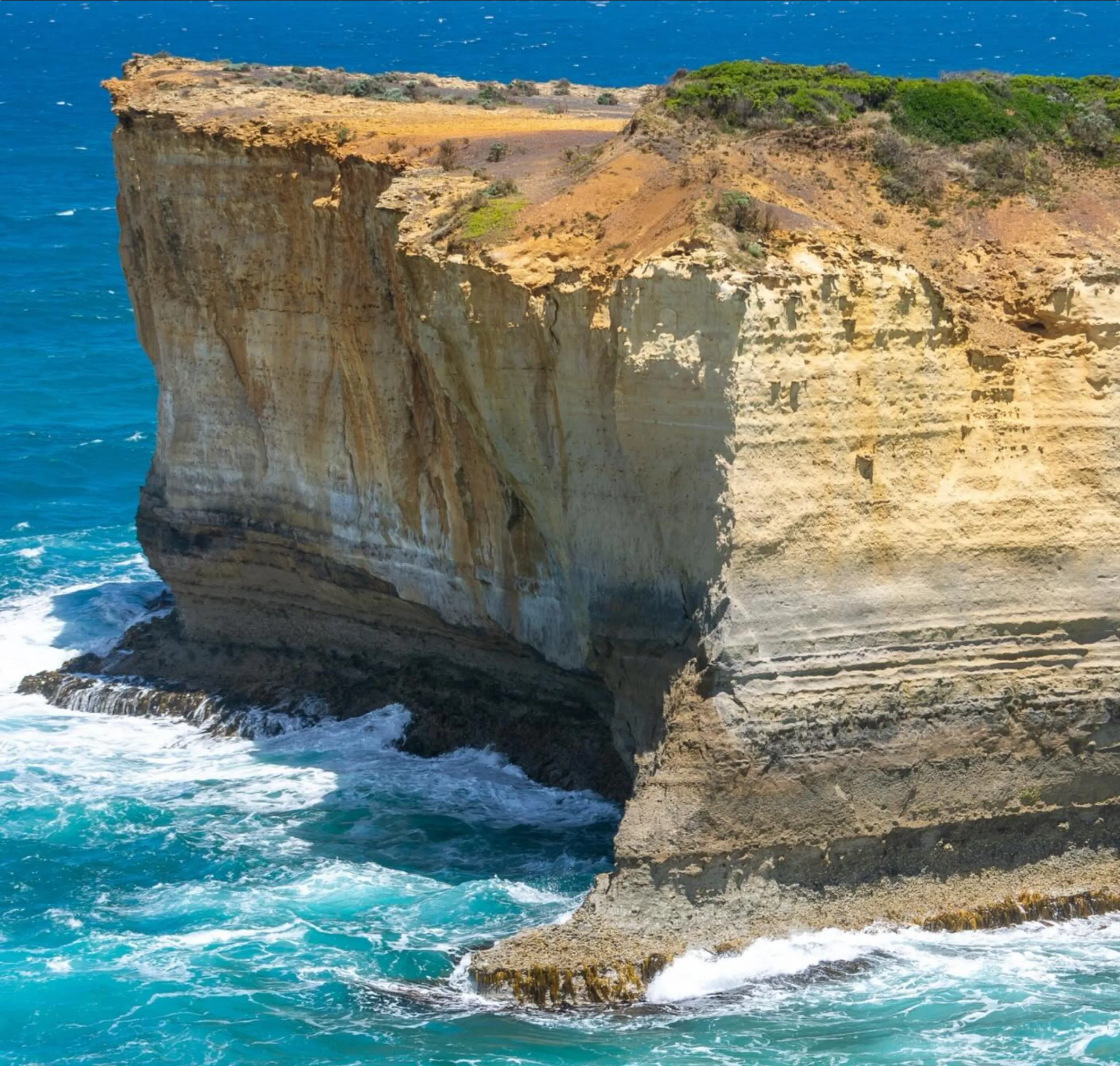
Most people get the gist of high season: crowds, higher prices, and limited enjoyment. At the other end of the scale, off-season can mean some attractions are closed, and you’re having to make a few trade-offs. Shoulder season, on the other hand, is a bit of a sweet spot – it’s smack bang in the middle of peak and off-peak travel periods, when demand is a little lower, but you still have plenty of access to the things you want to see.
Which is where all this talk of shoulder seasons is going, really. People don’t just want to brag about travelling in the hottest month of the year – they want value, flexibility and some breathing room to boot.
In Australia, the shoulder season typically runs from autumn (March to May) to spring (September to November), though the exact dates vary by location. And it’s during those months that you’ll find some of the most sensible, balanced travel conditions around.
Cooler, Calmer Weather That’s Easier To Travel In
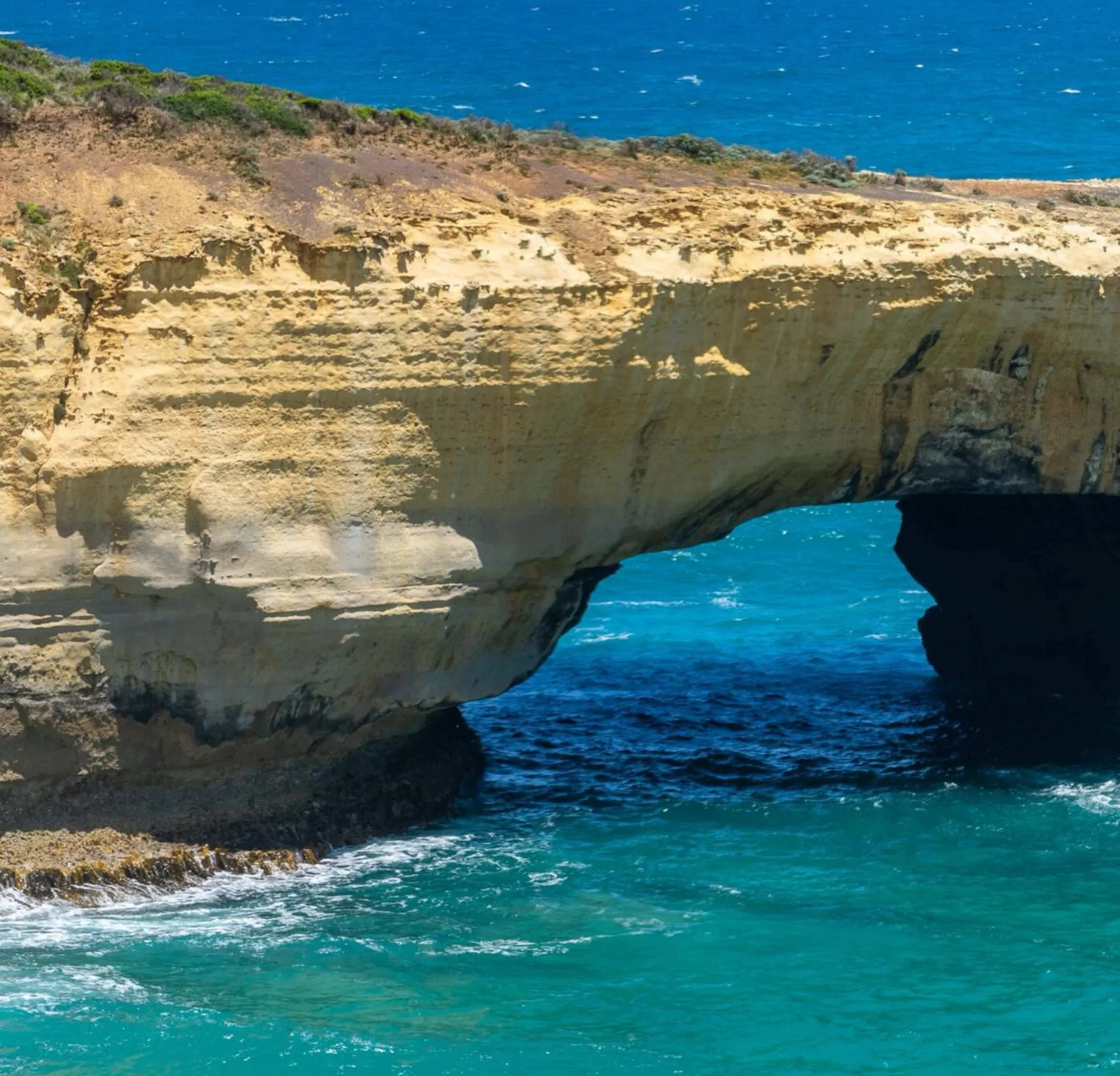
Summer doesn’t do subtle. It is hot and humid. Or, in the south, it’s more like extreme heat days and the constant worry about bushfires and attractions closing at short notice. Shoulder season turns the volume right down.
The weather during the shoulder months is warmer than in winter, but it’s not nearly as extreme as in summer. Days are nice for walking, nights are cool enough to get a good night’s sleep, and road trips no longer feel like some sort of endurance test.
And these days, the climate is about more than just how comfortable it is – climate change is sending summer conditions into overdrive, making it more and more likely that you’ll be caught out by heatwaves, fires and floods. Shoulder season is a much safer bet – and a lot less stressful to plan for, too.
Crowds: The Immediate Difference You Feel
During the height of tourist season, popular places are rammed. Car parks fill up before 9. The queue at the tourist attraction is ridiculous, and city tours are crammed in back-to-back with no chance to breathe.
But as shoulder season rolls around, the rhythm changes. You still see the same ol’ landmarks, but it’s all a lot less intense. The streets are a bit quieter now. Cafes don’t have massive queues, and you don’t feel like you’re fighting to get a spot to take a photo.
And that’s when local experiences start to feel genuine & real again. People aren’t just rushing around; you can actually have a conversation. The guides aren’t trying to herd you all like sheep – they have time to actually tell you stuff & you notice all the little details rather than just trying to dodge all the other tourists.
Operators like Wildlife Tours Australia tend to prefer shoulder months because operations run more smoothly. Your guide is guiding, not trying to keep track of a crowd, and you get much more out of each stop without the stress.
Pricing Behaviour
Here’s where the maths comes in.
In peak season, the pricing is pretty rigid. Demand is guaranteed, so rates stay high. But once summer starts to fade, the pricing behaviour changes. Suppliers are beginning to adjust their pricing dynamically to maintain bookings.
For you as a traveller, that means:
- Better airfare deals become available
- Hotel rates drop
- Early bird discounts pop up all over the place
- And overall travel costs come down
Across the travel industry, shoulder season typically has prices 15-30% lower than peak season, depending on the destination and timing. And more often than not, that saving actually improves the experience, not worsens it.
A 3 day Great Ocean Road tour booked during shoulder season usually ends up in a much more reasonable price bracket – and you still get all the highlights and comfort.
Outdoor Activities: The One Time You Can Actually Enjoy Them
Summer is often marketed as the season for getting outdoors & doing fun things, but let’s be real, it often just limits you. The heat makes long walks unbearable, increases safety risks, and turns what should be a leisurely hike into an early-morning scramble.
Shoulder season’s when the real trekking season kicks in.
Long walks are manageable again. Bike rides don’t need to be at the crack of dawn. Scenic lookouts aren’t shrouded in heat haze. Whether you’re by the coast, in the mountains, or out in the outback, shoulder months are perfect for getting out and moving around.
Around the world, this plays out in different ways. Eastern Canada’s peak hiking season is when the fall foliage is at its peak, not in the middle of summer. Across Europe, spring and autumn have become the primary travel seasons due to heatwaves and overcrowding.
But here in Australia, we just do things a bit louder.
Roads, Access, And A Few Less Seasonal Shutdowns
Summer hits Australia’s roads pretty hard. We’re talking flooded roads, roads shut down due to fires, and road surfaces buckling under the heat – it’s all pretty standard.
But then the shoulder season rolls in and things settle down.
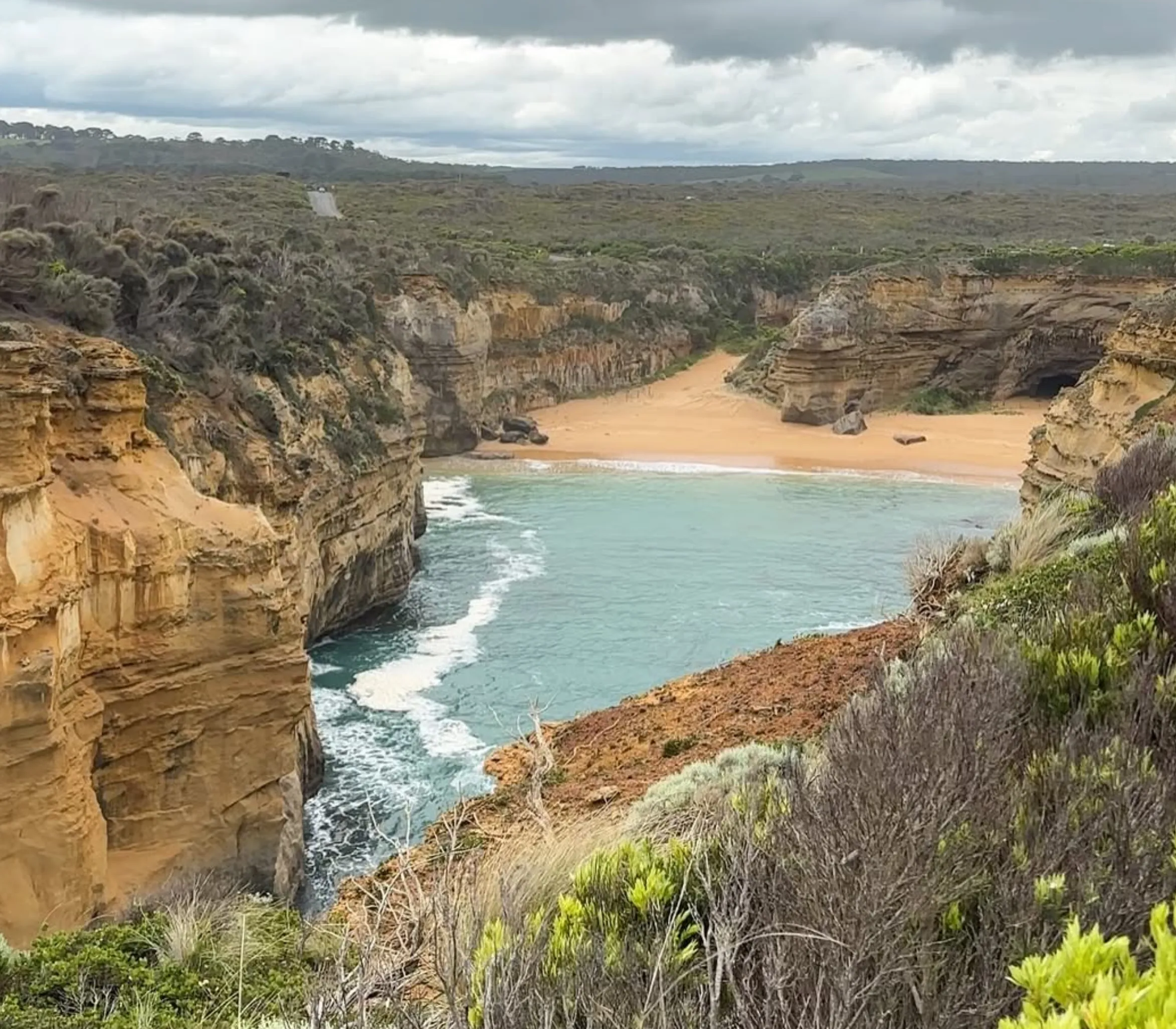
Road conditions are improving, long-distance drives feel safer, and service operations run like clockwork. Even on famous routes like the Great Ocean Road, the shoulder months mean fewer crowds and smoother traffic flow.
That’s why a 3-day Great Ocean Road trip in the shoulder season feels more like a proper road trip, rather than a logistical nightmare. You can stop whenever you like – not just when there’s space to do so.
Water, Coastlines, And Cascading Waterfalls
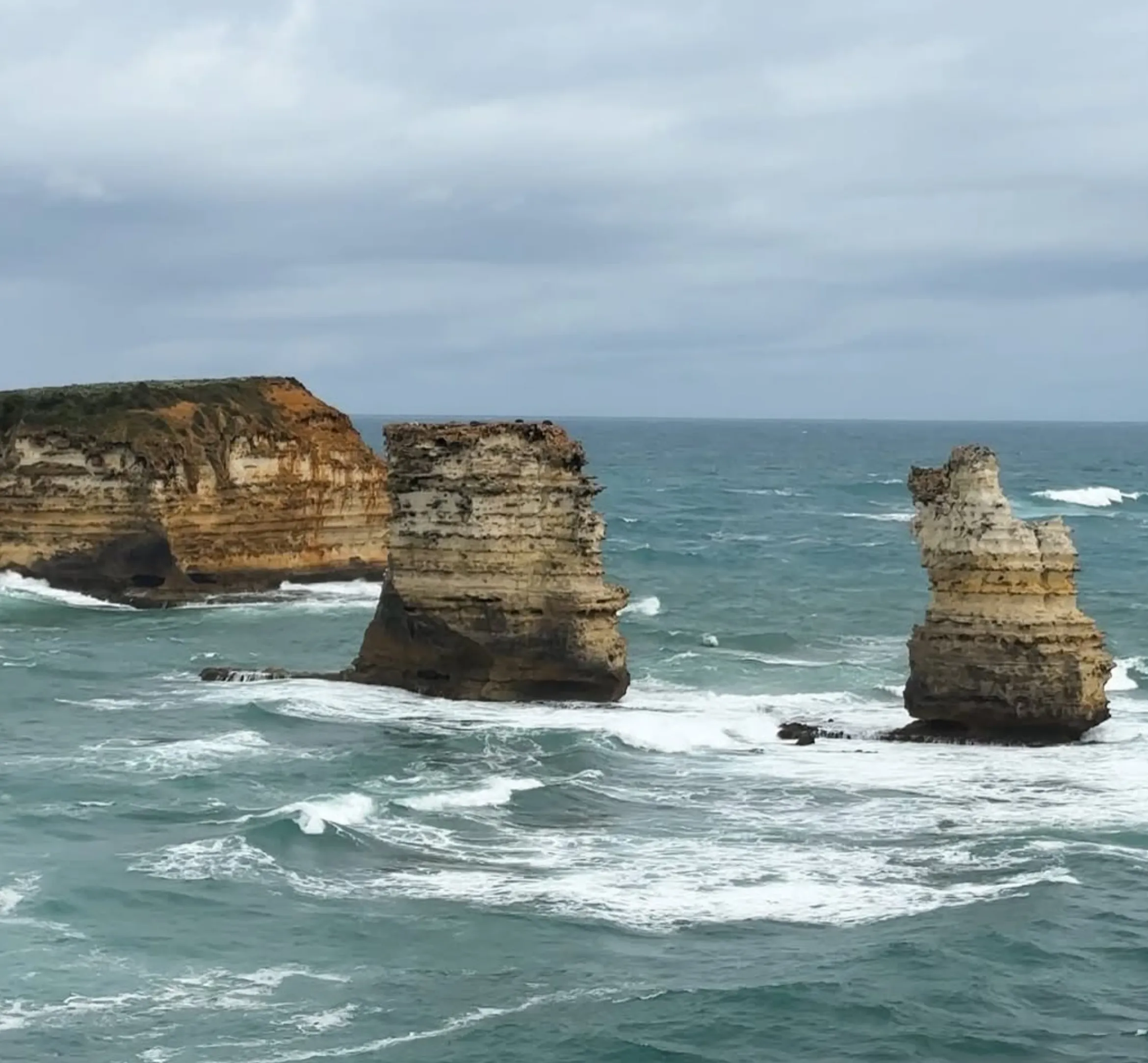
Water is highly variable across the seasons.
Summer gets pretty crazy at beaches, lakes and rivers – especially in the bad years when bushfires are burning, and the air is thick with pollution.
But the shoulder season often sorts that out. The rivers settle down, visibility improves, and the waterfalls often look pretty sweet just after the summer rains have kicked in. Without the hazards of the peak wet periods, they’re at their best.
In other parts of the world, places like Lake George and the wider Lake George Area in North America really come alive during the shoulder months, when the lake isn’t heaving with people, and you can actually relax and enjoy the scenery. And it’s the same down here in Australia – along our coastlines and inland waterways.
Sustainable Travel Isn’t Just A Fad Anymore
Travelling in the shoulder months is not only more comfortable but also genuinely supports sustainable travel and tourism.
By spreading visits out across the year:
- We put a lot less pressure on infrastructure
- We support steady work for locals
- We’re gentler on the environment
- We reduce the risk of overtourism
As the climate gets more and more pressing, it just makes sense to travel in the shoulder months – it’s a much more sustainable way to do things. And often, the low-stress ones have the least impact, too.
This is why lots of operators – including Wildlife Tours Australia – try to design their itineraries around the shoulder season where they can.
Summer Hours Versus Shoulder Season Reality
Some travellers worry about accessibility once the summer rush is over – and honestly, that’s a fair concern – but most often it’s one you don’t have to worry about.
Yes, some tourist spots do scale back their summer hours, but for the most part, shoulder season is actually a more reliable time to visit – and that’s not just a marketing trick. With fewer tourists, tours run on a more routine schedule, staff are under less stress, and cancellations are much less common.
You might get slightly shorter opening times, but you’ll also get smoother, less chaotic days – which is more than enough to make up for it in the eyes of seasoned travellers.
How Timing Changes The Feel Of A Trip
You can’t put a price on this one, though.
Shoulder season fundamentally changes the way travel feels. The days feel roomier, plans are more flexible and that dreaded feeling of things spiralling out of control just isn’t there as much. You spend less time managing logistics and more time actually travelling.
It’s why a 3-day Great Ocean Road trip will always receive better reviews when taken in the shoulder season than when crammed into peak summer. The Great Ocean Road itself isn’t any different – it’s the pressure that’s being brought to bear on the trip that is.
Smarter Trip Planning Involves Getting Your Seasons Right
In today’s travel landscape, planning a trip isn’t just about picking a date. It’s about aligning the destination, climate, and timing to create a trip tailored to you.
Before you book:
- Research the off-peak windows in your chosen region – there’s no point trying to time it to perfection if you’re not getting it right
- Keep an eye on local weather patterns – some places are better suited to certain times of year than others
- Look out for airfare deals, which are often linked to the shoulder season
- Double-check that you’ll still have access to the top experiences you’re after
With this approach, even the most crowded destinations become places where you can actually unwind and enjoy the view – without having to sacrifice any of the quality of your trip.
Peak, Shoulder, And Low Season Compared
| Factor | Peak Season | Shoulder Season | Low Season |
|---|---|---|---|
| Crowds | Heavy | Moderate | Light |
| Travel Costs | Highest | Reduced | Lowest |
| Weather | Extreme | Balanced | Variable |
| Activities | Restricted | Broadly Available | Limited |
| Overall Experience | Rushed | Relaxed | Quiet |
The Final Word From the Road
We’ve spent years watching people struggle with the stress of travelling in the height of summer – so here’s the straight-up lowdown: the shoulder season is not some half-baked compromise, it’s actually an upgrade all the way.
Lowering costs, thinning out the crowds, and cutting down on your environmental footprint – what’s not to love? Plus, you end up with trips that feel more relaxed, more chill, and more connected. Got your sights set on hitting the cities, chasing autumn leaves, or cramming in some Great Ocean Road action? The shoulder season allows the destination’s real beauty to shine through without the noise.
Travel doesn’t need to be a whole lot harder than it is already. Pick a season that works with you, not against you – and everything else takes care of itself.
FAQ
Is shoulder season the same as off-peak season?
No way – it slots in neatly between the peak season and the proper off-peak, so you get the access without the peak crowds, and without the total lack of life of the true off-peak.
Will the tourist attractions still be open?
You bet they will – just a lot less crazy than they get in peak season.
Do I really get better airfare deals?
Yeah, you can bet your boots you do. Once peak season is over, airlines will start fiddling with their prices.
Is shoulder season a better option for all that sustainable tourism business?
One hundred percent – spreading out the crowds and cutting down on the environmental pressure is some big plus points.
How do I choose the best shoulder travel window?
Well, you need to pay attention to local climate patterns and your travel plans – the timing really is everything here, you know?