
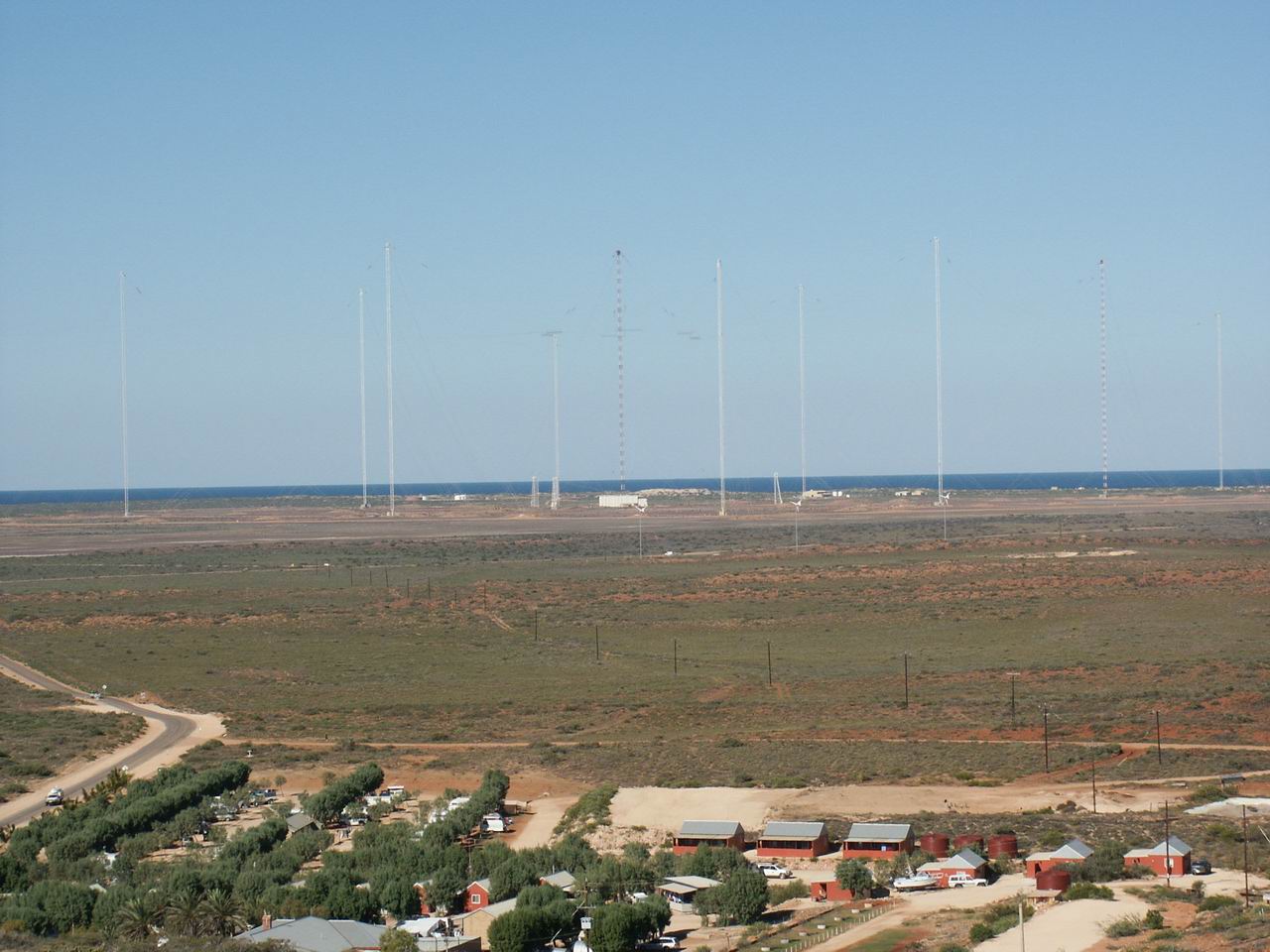

Located in the remote region of Western Australia, the Harold E. Holt Naval Communication Station stands as a testament to the strategic military partnerships and technological advancements of the 20th century. This article delves into the significance of this historical landmark, highlighting its role in global communication and its lasting impact on military history.
The History of Harold E. Holt Naval Communication Station
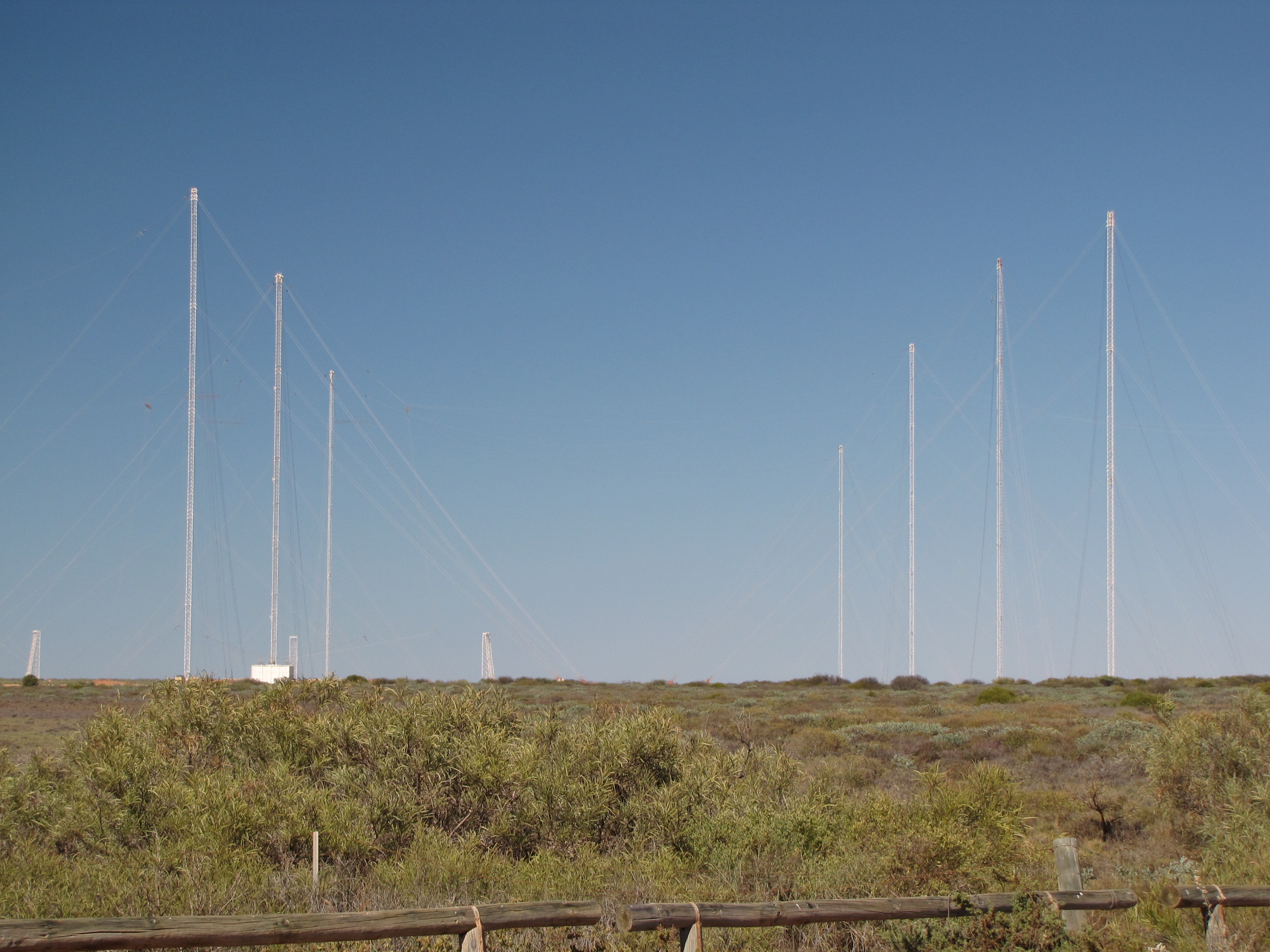
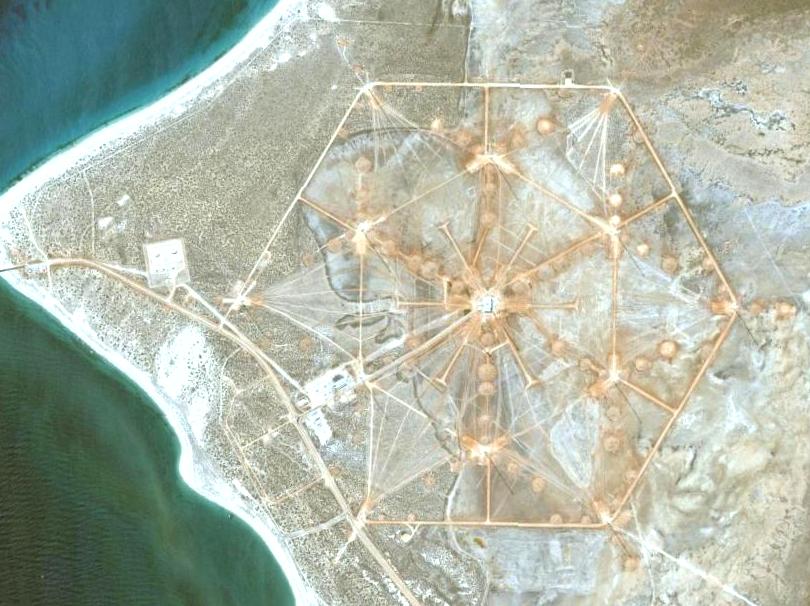
Established during the Cold War, the Harold E. Holt Naval Communication Station was commissioned in 1967 and named after the then Australian Prime Minister, Harold Holt. Its primary function was to serve as a powerful VLF (Very Low Frequency) station for communication with submarines. The station’s location in North West Cape, Exmouth, was strategically chosen for its remote positioning, which provided security and minimal electromagnetic interference. The partnership between the United States and Australia in establishing this facility underlines its importance in military strategy and international relations during an era marked by geopolitical tension.
Architectural and Technological Marvel
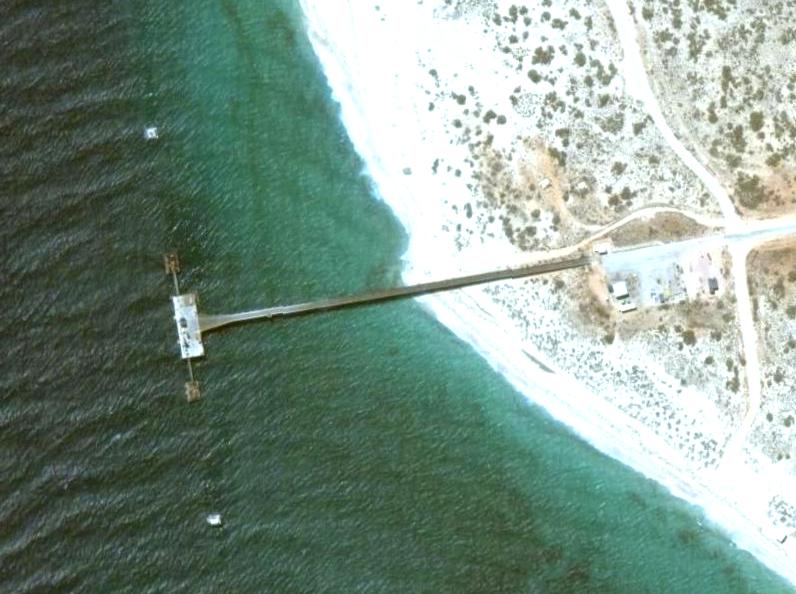
The station boasted an array of impressive structural features and cutting-edge technology for its time. One of the most iconic landmarks is the very tall towers, with Tower Zero standing at 387.6 meters high, making it one of the tallest man-made structures in the Southern Hemisphere. These towers were pivotal in transmitting VLF signals, enabling communication with submarines submerged in the deep ocean. The technology used here was crucial for secure, long-distance communication, proving instrumental in the monitoring and coordination of naval operations. The station is a marvel not just of military engineering, but of civil and electrical engineering excellence as well.
Role in Military Operations
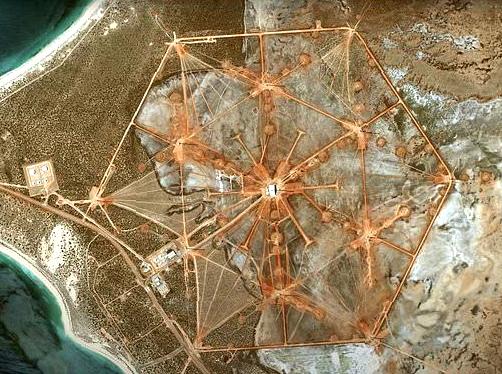
The Harold E. Holt Naval Communication Station played a vital role in various military operations over the decades. It provided essential communication links for the United States Navy’s submarine fleet, significantly enhancing their operational capabilities. During the Vietnam War, the station was heavily utilized for command and control communications. Furthermore, it continued to be an essential link during the Cold War era, assisting in the global strategy and operations of the allied naval forces. Its strategic importance underscores how critical secure and reliable communication is in modern military operations.
Visitor Experience
Today, the Harold E. Holt Naval Communication Station offers visitors a unique glimpse into historical military technology and architecture. Tourists can explore the base, which includes an informative visitor center featuring exhibits on the station’s history, the technology used, and personal stories from those who served there. The surrounding area, rich in natural beauty and marine life, adds an extra layer of adventure for history enthusiasts and nature lovers alike. The juxtaposition of military history with the serene Western Australian landscape provides a truly unique and educational experience.
Legacy and Preservation
The legacy of the Harold E. Holt Naval Communication Station extends beyond its operational years. The site stands as a significant historical marker, representing a period of intense technological advancements and international military cooperation. Preservation efforts are critical to maintaining this site, not only for its historical value but also for its educational potential. Future generations can learn about Cold War history, naval communication technology, and the importance of such facilities in global security. Conservation groups and historical societies are actively involved in ensuring this landmark remains a rich source of knowledge for years to come.
Conclusion
The Harold E. Holt Naval Communication Station is more than just a relic of the past; it is a symbol of the intricate interplay between technology, military strategy, and international relations. This historical landmark offers invaluable insights into how far naval communication technology has evolved and the crucial role such innovations have played in global military operations. Visiting this station is not only an educational journey into military history but also a chance to appreciate the technological marvels of the past.
FAQ
1. What is the Harold E. Holt Naval Communication Station?
The Harold E. Holt Naval Communication Station is a historic military communication station in Western Australia, used primarily for transmitting VLF signals to submarines.
2. When was the Harold E. Holt Naval Communication Station established?
The station was commissioned in 1967 during the Cold War and was named after the Australian Prime Minister Harold Holt.
3. What is the significance of Tower Zero?
Tower Zero stands at 387.6 meters and is one of the tallest man-made structures in the Southern Hemisphere, crucial for VLF signal transmission.
4. Can the public visit the Harold E. Holt Naval Communication Station?
Yes, the station offers tours for visitors, including a visitor center with exhibits on its history, technology, and personal stories from those who served there.
5. Why is the station important in military history?
The station played a vital role in secure communication for naval operations, particularly during the Vietnam War and the Cold War, enhancing submarine operational capabilities.