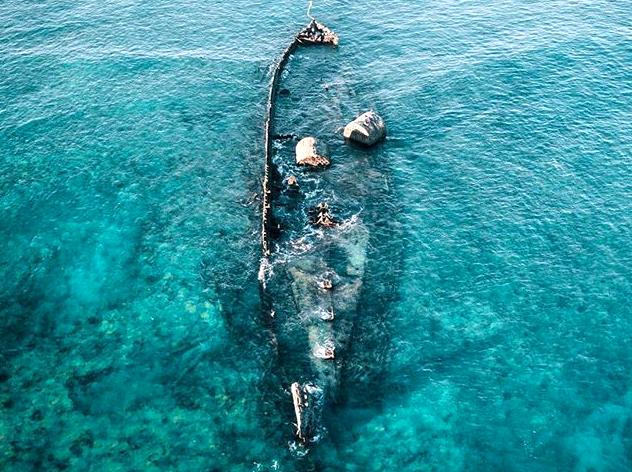

The Mildura Wreck, a century-old shipwreck located off the coast of Western Australia, continues to intrigue historians and divers alike. This article delves into the rich history of the ship, the circumstances leading to its demise, and the intriguing exploration opportunities it offers for divers today.
The Origins of the Mildura
The Mildura was a cattle steamer built in the late 19th century, designed for transporting livestock between ports in Australia. Constructed in 1890, it was a sturdy vessel that embodied the industrial prowess of that era. Initially commissioned by the Adelaide Steamship Company, the ship played a crucial role in regional trade, facilitating the movement of goods and livestock between remote areas and bustling urban centers.
The ship, measuring over 200 feet in length, was known for its robust build and reliability. It was powered by a single steam engine and had a cargo capacity that made it well-suited for long voyages. Despite its utilitarian purpose, the Mildura was a vital part of maritime commerce during its operational years, supporting agricultural industries and regional economies.
The Fateful Night: The Wreck of the Mildura
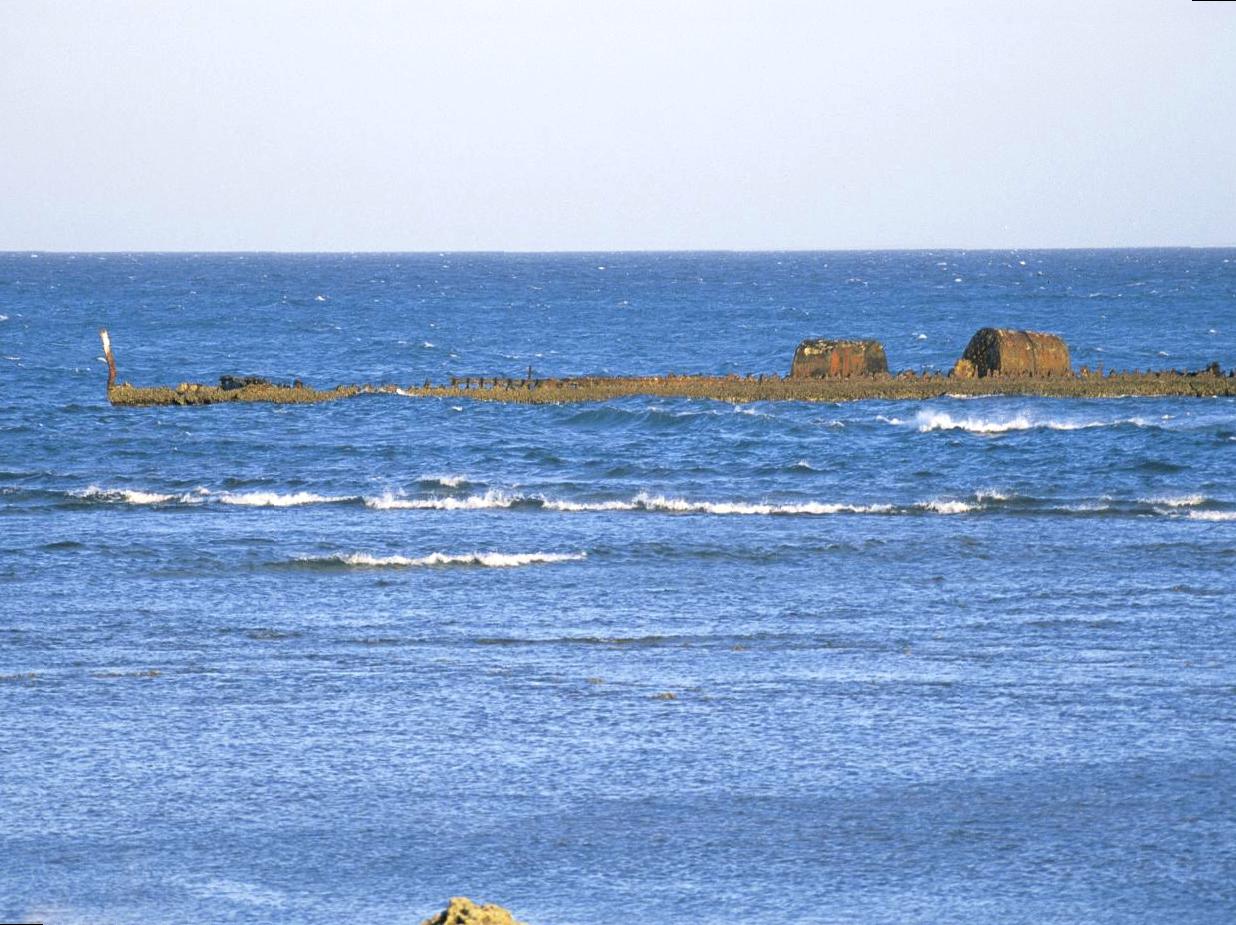
On a stormy night in 1907, the Mildura met its untimely end near the North West Cape of Western Australia. The ship, laden with cargo and cattle, was en route to Fremantle when it encountered rough seas and treacherous waters. Despite the crew’s best efforts to navigate through the storm, the ship struck a reef and began to take on water rapidly.
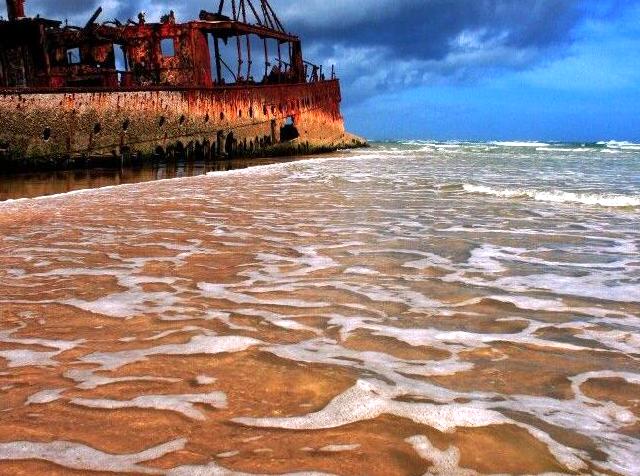
Efforts to save the vessel and its precious cargo were in vain. As the ship was battered by relentless waves, the decision was made to abandon the Mildura, leaving it to be claimed by the ocean. Miraculously, all crew members survived, but the ship and much of its cargo were lost. The wreck of the Mildura then sank to the seafloor, where it would remain for over a century.
The Transformation into a Diving Site
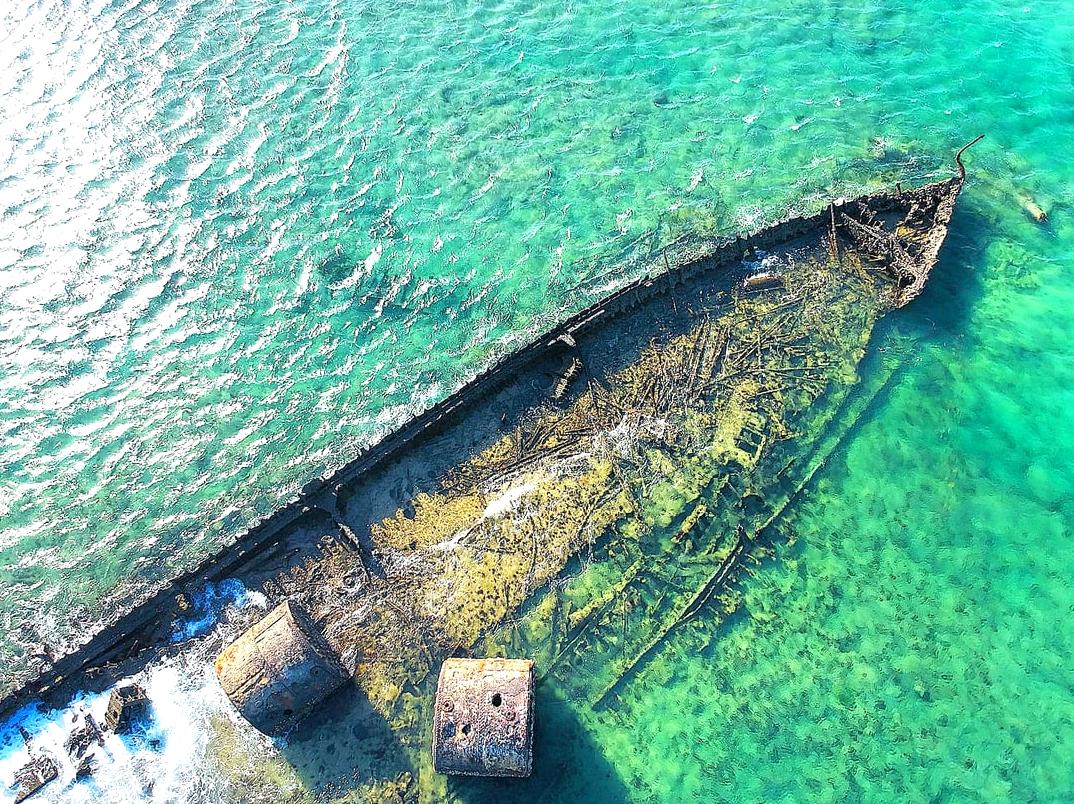
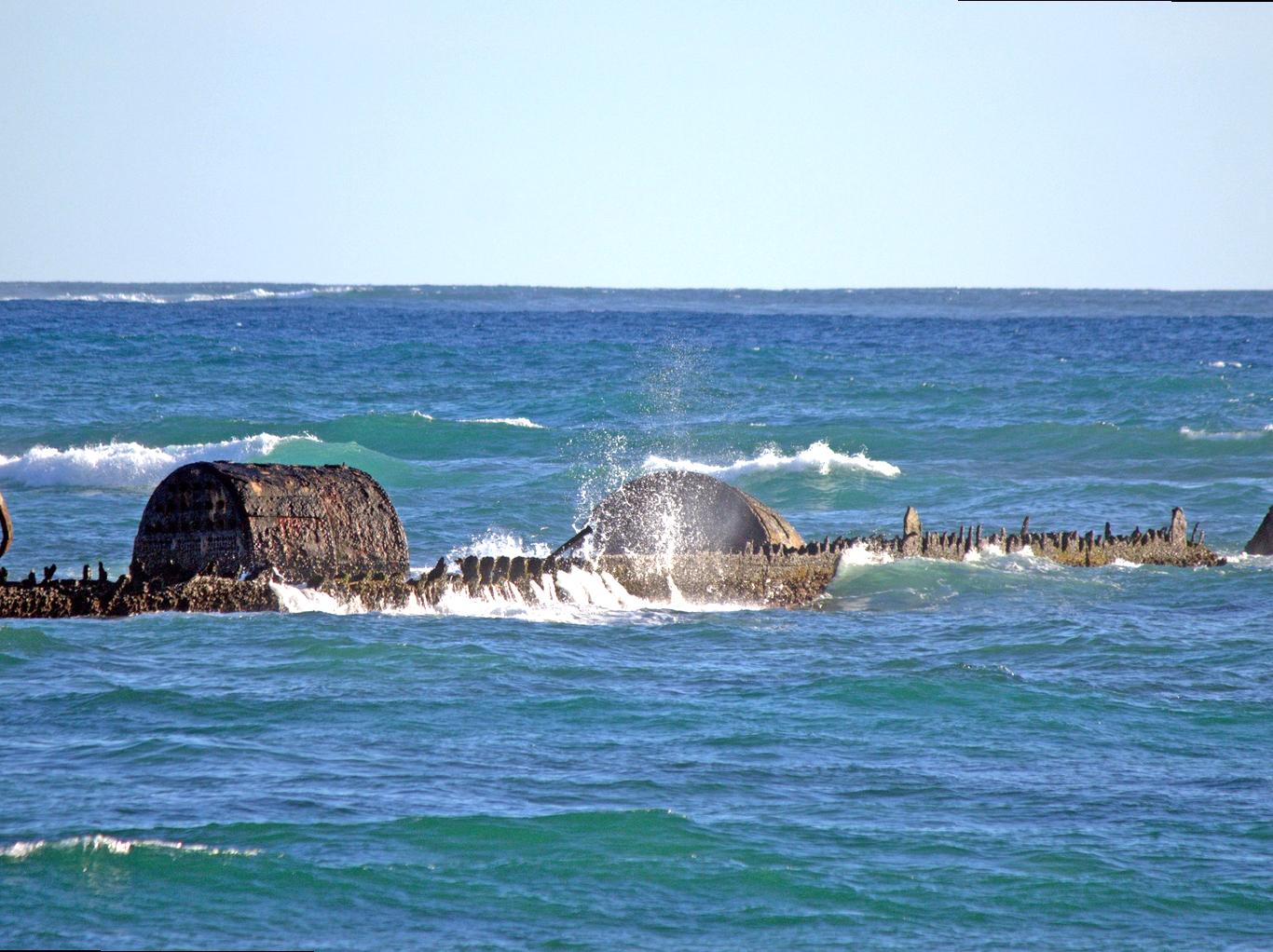
Decades after its sinking, the Mildura Wreck transitioned from a forgotten relic of the past into a renowned diving site. Divers and underwater archaeologists were drawn to the wreck, fascinated by its historical significance and the marine life that had made it their home. The skeletal remains of the ship now serve as an underwater museum, showcasing the ravages of time and the symbiosis between human artifacts and nature.
The site is accessible to both novice and experienced divers, providing a unique glimpse into maritime history. The wreck lies in relatively shallow waters, making it an ideal spot for exploration. Divers can observe the ship’s structure, which, despite being in a state of decay, offers valuable insights into 19th-century shipbuilding techniques. The surrounding coral formations and diverse aquatic species add to the site’s allure.
The Ecology and Marine Life
The Mildura Wreck is now a thriving marine ecosystem. The steel framework of the ship, encrusted with corals and barnacles, serves as a habitat for a myriad of marine species. Schools of colorful fish, crustaceans, and even larger predators like reef sharks can often be seen around the wreck, making it a hotspot for underwater photography and marine studies.
The presence of the wreck has also contributed to our understanding of how artificial reefs form and evolve. Researchers study the wreck to observe how marine life colonizes man-made structures and how these structures can support biodiversity. The interplay between the remnants of human activity and the natural world creates a living laboratory for scientists and conservationists.
Visiting the Mildura Wreck
For those interested in visiting the Mildura Wreck, it is important to plan ahead. Guided tours are available, which include safety briefings and underwater navigation training. These tours are conducted by experienced dive operators who are knowledgeable about the wreck and the surrounding marine environment.
- Book a tour with a certified dive operator.
- Ensure you have the necessary diving certification.
- Prepare for variable weather conditions.
- Follow all safety guidelines during the dive.
- Respect the marine life and avoid touching the wreck.
Visiting the Mildura Wreck offers a chance to dive into history, quite literally. Each dive reveals new facets of the ship and the life it supports, providing an unforgettable experience for avid divers and history enthusiasts alike.
Conclusion
The Mildura Wreck stands as a testament to the bygone era of steam-powered maritime trade and the unpredictable nature of the sea. Its transformation from a functional cattle steamer to a historical wreck site and thriving marine habitat exemplifies the impermanence of human endeavors and the enduring resilience of nature. Exploring the Mildura offers not just a journey into the past, but also a deeper appreciation for the underwater world and its secrets.
FAQs
1. What caused the Mildura to wreck?
The Mildura wrecked after striking a reef during a stormy night in 1907, leading it to take on water and eventually sink near the North West Cape of Western Australia.
2. Is it safe to dive at the Mildura Wreck?
Yes, it is generally safe to dive at the Mildura Wreck, especially if you go with a certified dive operator who provides safety briefings and underwater navigation training.
3. What can divers expect to see at the site?
Divers can explore the skeletal remains of the ship, observe coral formations, and encounter a variety of marine life, including colorful fish and reef sharks.
4. Do I need special permission to dive the Mildura Wreck?
No special permission is required, but it is recommended to book a tour with a certified dive operator who knows the site well and can ensure a safe and informative experience.
5. How has the wreck contributed to marine research?
The Mildura Wreck has provided valuable insights into how artificial reefs form and support biodiversity, serving as a living laboratory for researchers studying marine colonization and habitat formation.