
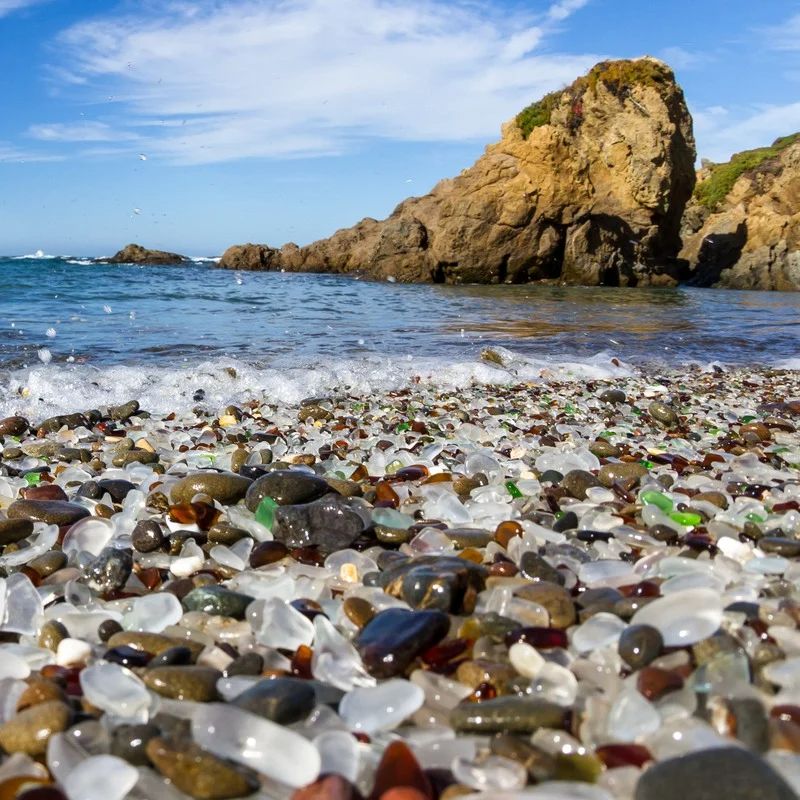

If you ever find yourself longing to witness nature’s artistry, a walk along Pebble Beach is an experience you won’t want to miss. This geological marvel is an epitome of nature’s wonder, embodying both beauty and scientific intrigue.

The Geological Significance of Pebble Beach
When you tread the shores of Pebble Beach, you’re not just walking on sand and stones. Instead, you’re stepping onto a geological treasure trove. The beach’s unique pebbles have been sculpted over millennia by the relentless forces of wind and water. Each pebble tells a story of resilience and transformation, offering insight into the earth’s geological processes and history.
The Formation of Pebble Beach

How did Pebble Beach come to be? The formation of this remarkable landscape is largely attributed to the erosion of coastal cliffs. Over thousands of years, rocks from these cliffs have broken down into smaller pieces, which are gradually rounded and smoothed by the ocean’s waves. This process is an ongoing cycle, continually shaping and reshaping the shoreline.
Notable Geological Features
Pebble Beach is replete with a variety of fascinating geological features. Here are a few to keep an eye out for:
-
- Polished Pebbles: These smooth, rounded stones are a testament to the tireless work of the ocean.
- Rocky Outcrops: Jutting out of the water at various points, these formations are remnants of ancient geological activity.
- Fossil Finds: Scattered among the pebbles, you might find fossils that offer glimpses into prehistoric life.
The Flora and Fauna of Pebble Beach
Pebble Beach isn’t just a geological wonder; it’s also a vibrant ecosystem. The intertidal zone is rich with various forms of marine life. Tide pools host a myriad of creatures, from sea anemones to starfish. Above the waterline, you might spot shorebirds foraging for food or resting after long flights. The flora, including sea grasses and algae, play a crucial role in maintaining the beach’s ecological balance.

Planning Your Visit
To fully appreciate Pebble Beach, consider visiting during low tide, when more of the beach and its geological features are exposed. Bring comfortable walking shoes, a camera, and perhaps a magnifying glass to inspect the smaller details. Remember to respect the natural environment: take nothing but photos and leave nothing but footprints.

Conclusion
Walking Pebble Beach is an adventure that marries beauty and education, offering a glimpse into the Earth’s geological and ecological wonders. Whether you are a geology enthusiast, a nature lover, or simply someone seeking a peaceful retreat, Pebble Beach has something to offer. So lace up your shoes, pack your curiosity, and set out to explore this geological marvel.
FAQs
What makes Pebble Beach geologically significant?
Pebble Beach is geologically significant due to its unique pebbles, which have been shaped over millennia by natural forces, offering insight into geological processes.
How are the pebbles at Pebble Beach formed?
The pebbles are formed through the erosion of coastal cliffs, with rocks breaking down into smaller pieces and being smoothed by ocean waves over thousands of years.
What wildlife can be seen at Pebble Beach?
Visitors can see a variety of marine life in tide pools, including sea anemones and starfish, as well as shorebirds and various types of flora, such as sea grasses and algae.
When is the best time to visit Pebble Beach?
The best time to visit is during low tide, as more of the beach and its unique geological features are exposed. This allows for better exploration and enjoyment of the area.
What should I bring when visiting Pebble Beach?
Visitors should bring comfortable walking shoes, a camera, and perhaps a magnifying glass for inspecting smaller details. It’s also important to respect the environment by not taking anything from the beach and leaving no litter behind.